Land of Ice and Fire. Laugavegar Trek, Iceland
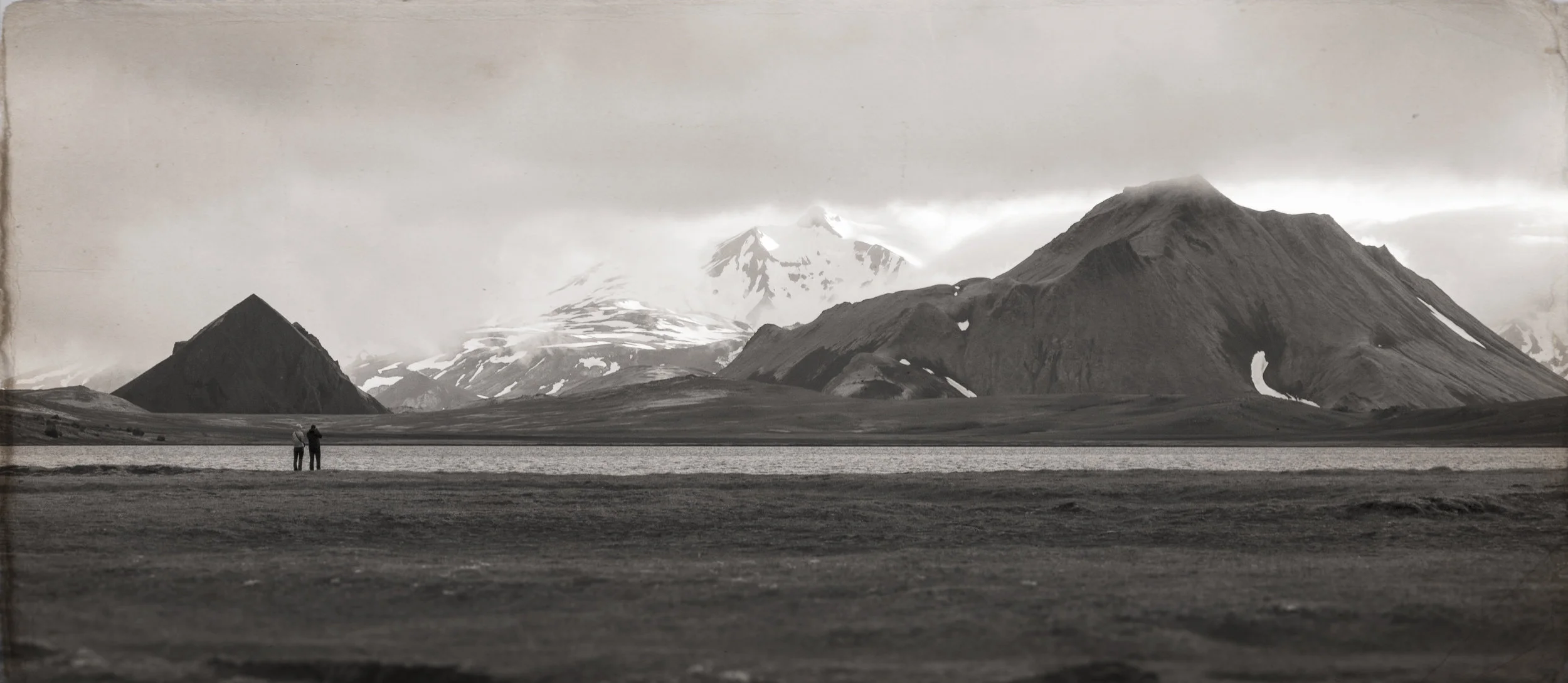
During a brief window in the Summer months, the famous Laugavegar trekking route in Iceland opens up. This trek is voted one of the top in the world by National Geographic due to it's diversity and seemingly alien landscapes that could only be found in Iceland. I was fortunate enough to cross this alluring terrain in June 2018. This was a Go London adventure; for more information please contact them here.
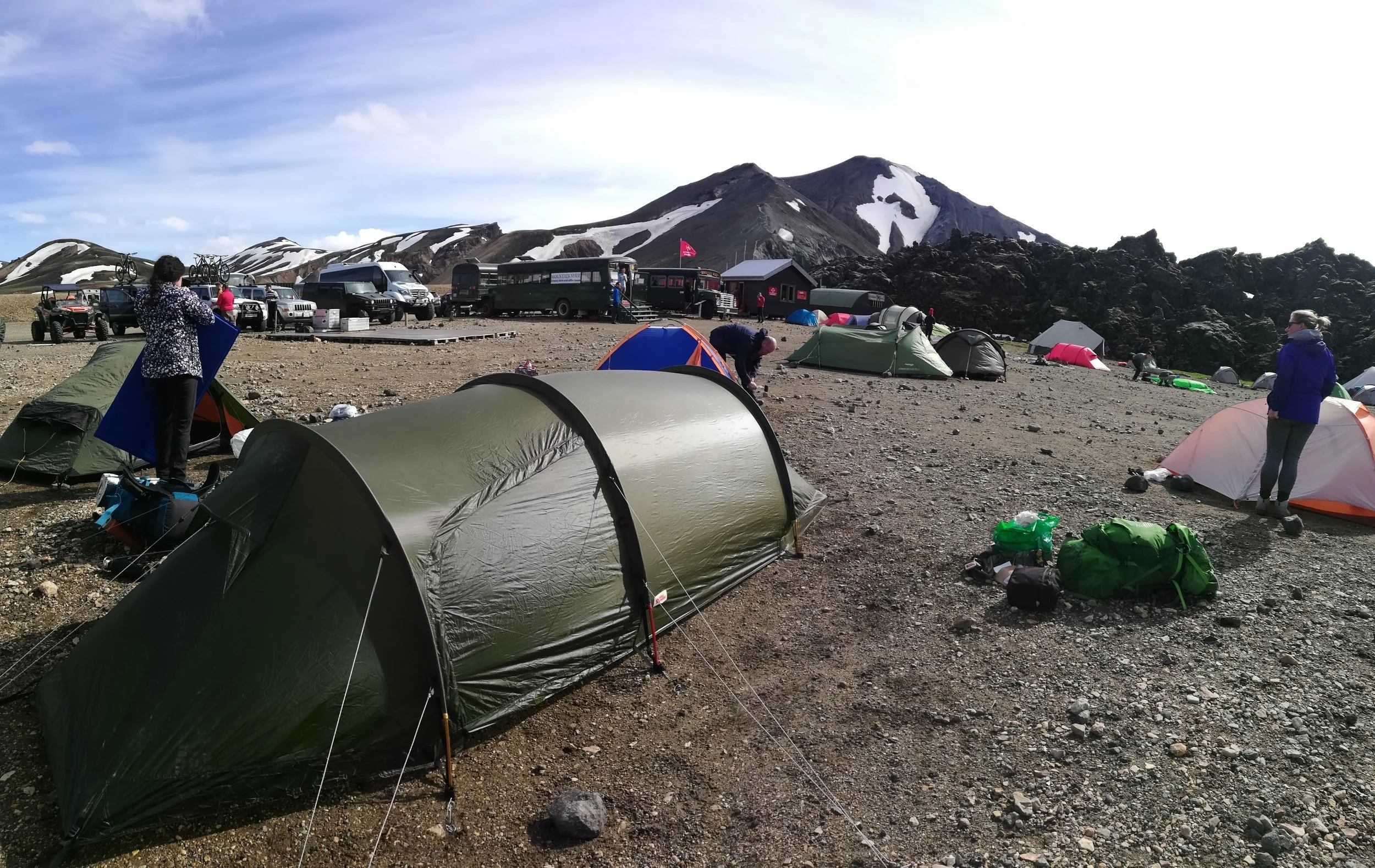
After a day acquainting myself with Reykjavik (a couple of recommendations at end of this post), I loaded my bag with a few kilos of hydrated food, warm clothes, gas stove and tent etc ready to begin the trek in Landmannalaugar. To get there you take a 4X4 bus across bumpy roads and rivers. Lots of fun jiggling about (unless you get travel sick). Most of the vehicles beyond Reykjavik look like monster trucks and you can’t help but feel a child’s awe at their ridiculous sheer size. Soon we were entering the land featured in many films; Prometheus and The Martian among them. Simply recalling the journey gets me excited.. those views, that immense hard environment waiting to be explored and endured.
At this time the UK and much of Europe was experiencing a seemingly endless Summer, yet on the other side of the jet stream - Iceland was suffering their worst Summer in 100 years. Reykjavik was consumed by dark foreboding clouds, with disgruntled locals desperate to emerge from the long winter. I, however, welcomed the cooler climate. Recently the commute on London’s Underground Central Line, with it’s lack of air con, felt like a journey to the centre of the Earth. Also, on my way to the airport the aircon on the Stansted express was broken, which lead my to attempt in vain some Tibetan monk-type- mind-over-body exercise to not melt. I got off lightly though, with a chap next to me wearing his shirt as a second skin, and a lady opposite steaming under the midday Sun like a drowned vampire. Thus, I welcomed the cooler climes for body and mind. I am also not the biggest fan of trekking under intense Sunlight anyway - having previously cooked myself into a delightful heatstroke in both the Moroccan Atlas mountains and up a Nicaraguan volcano.
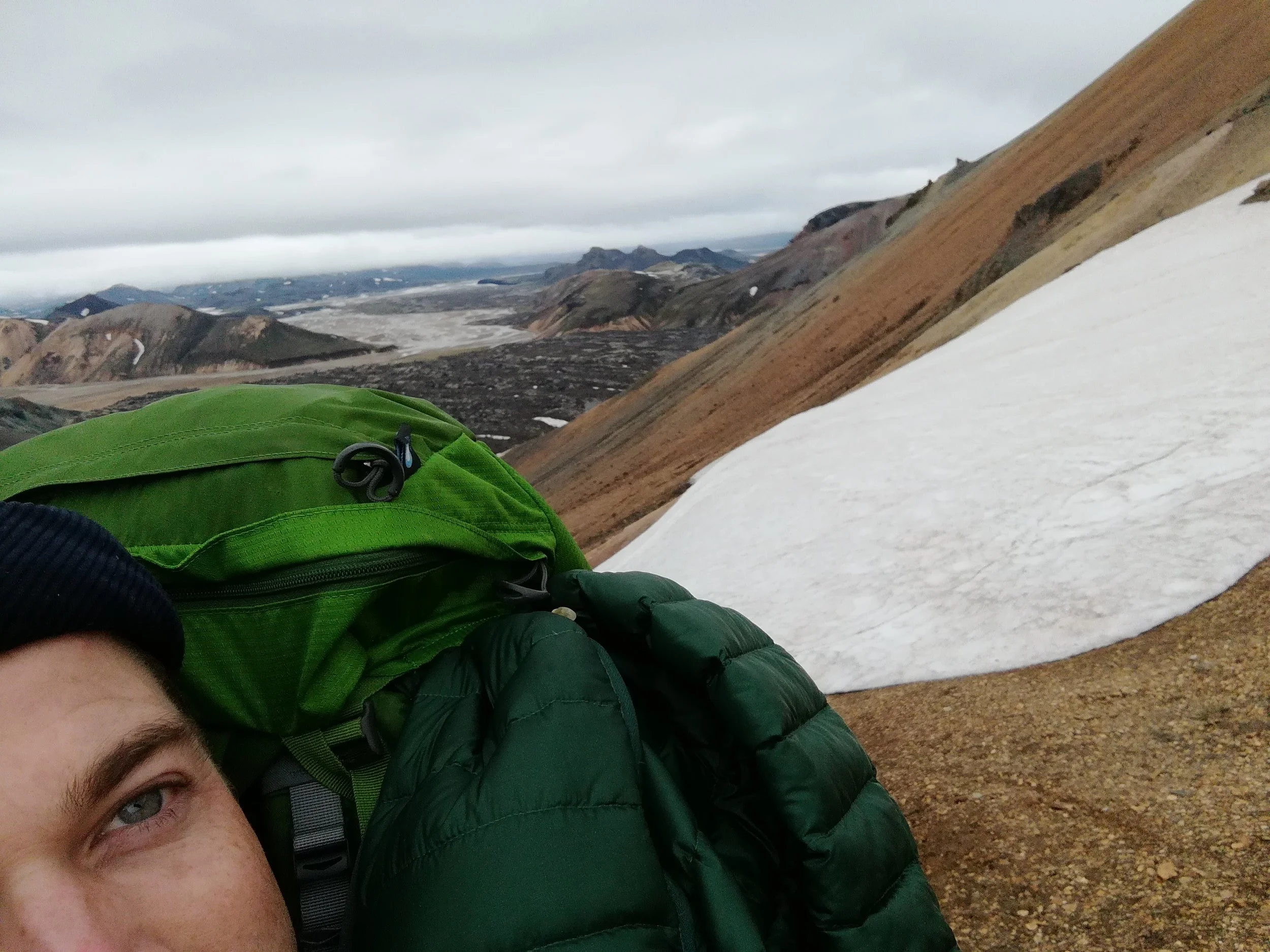
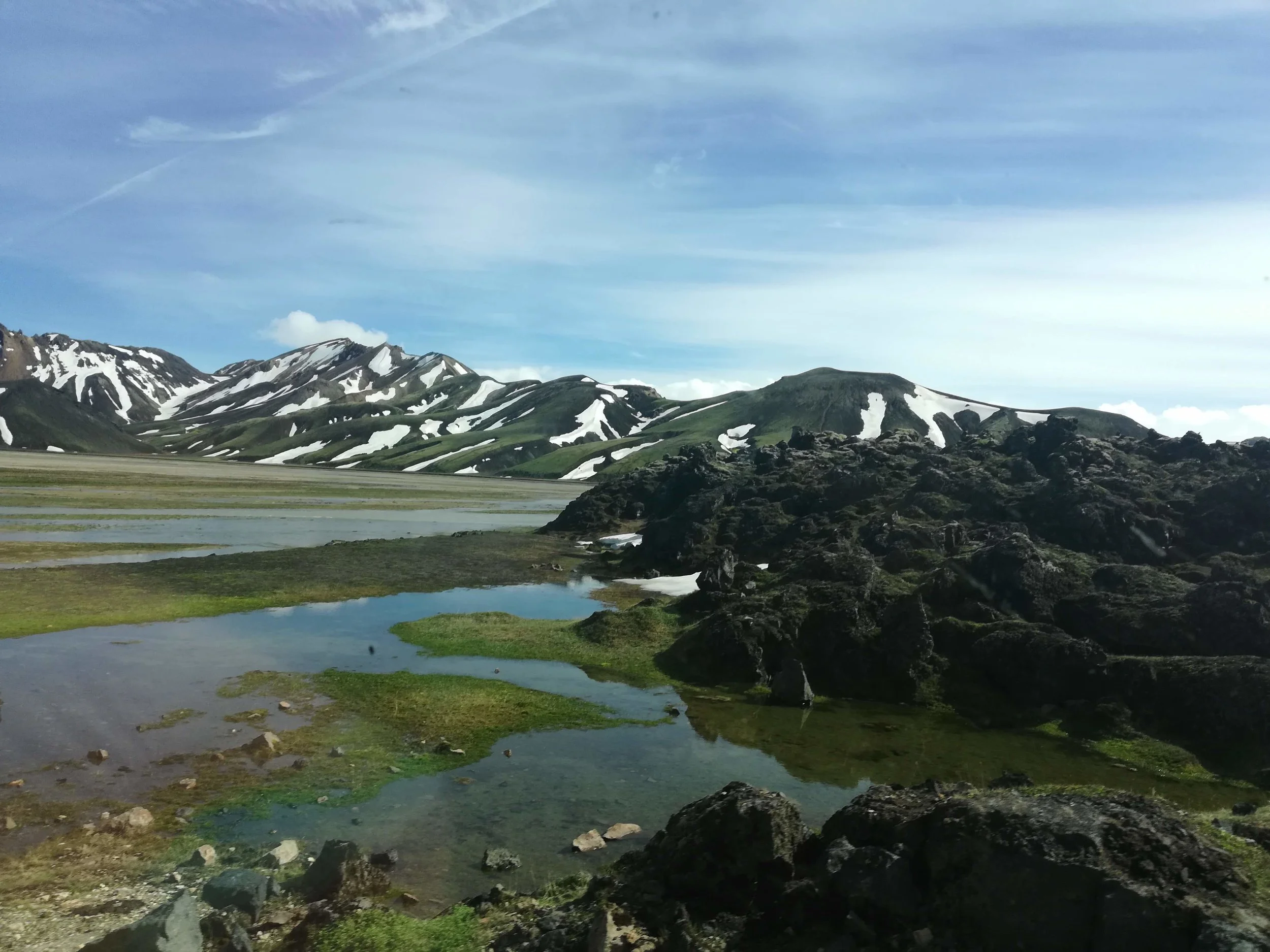
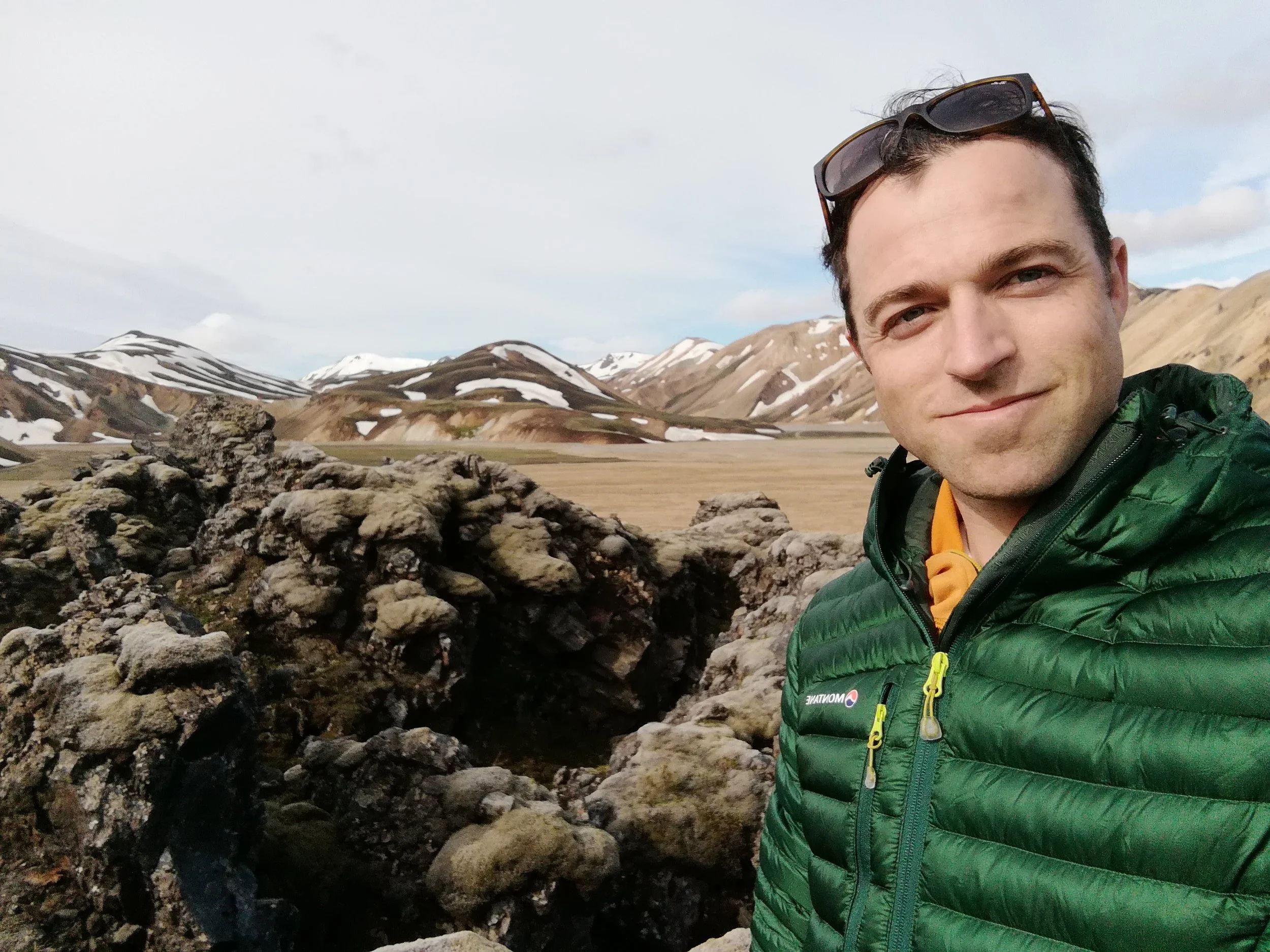
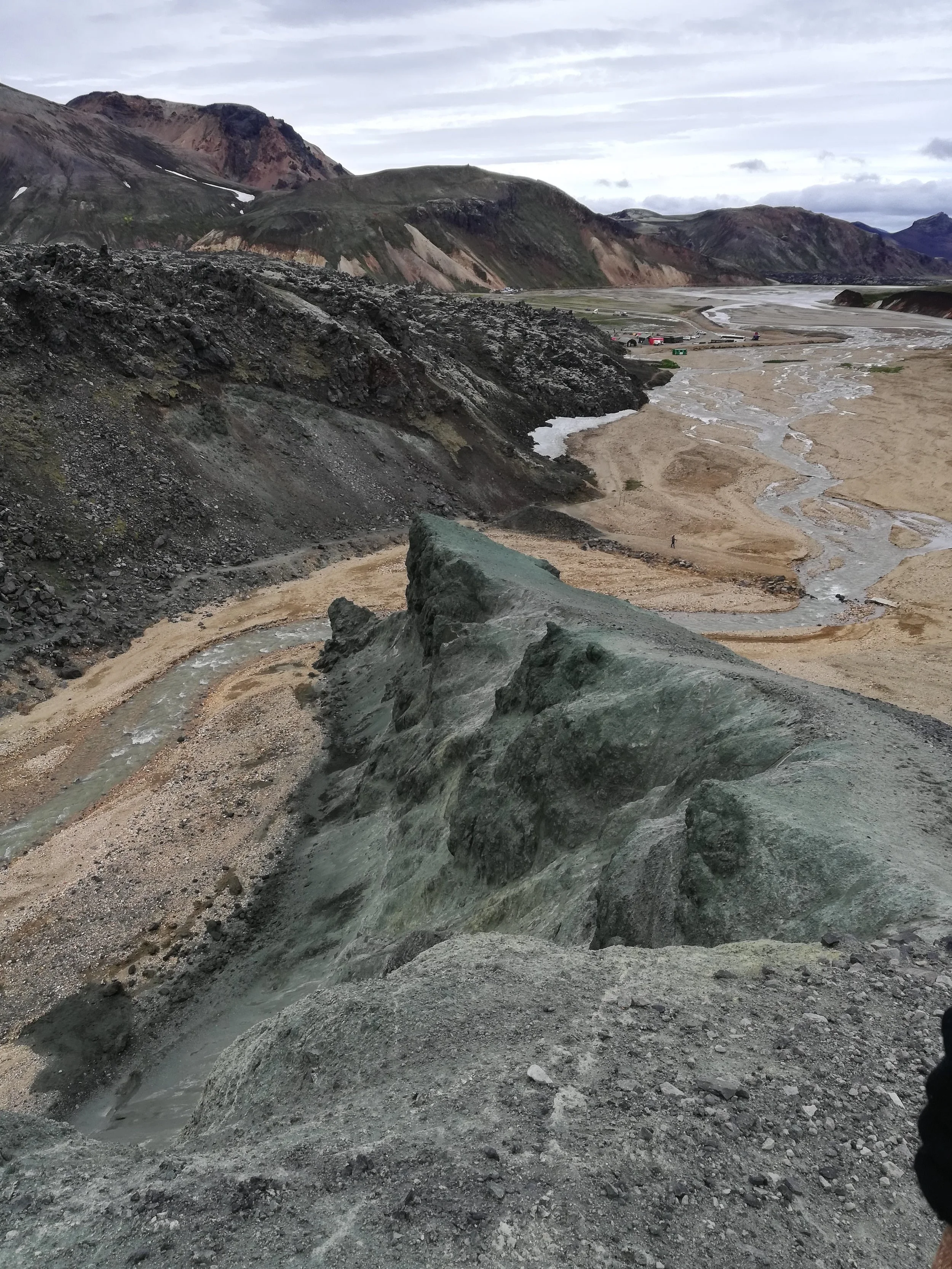
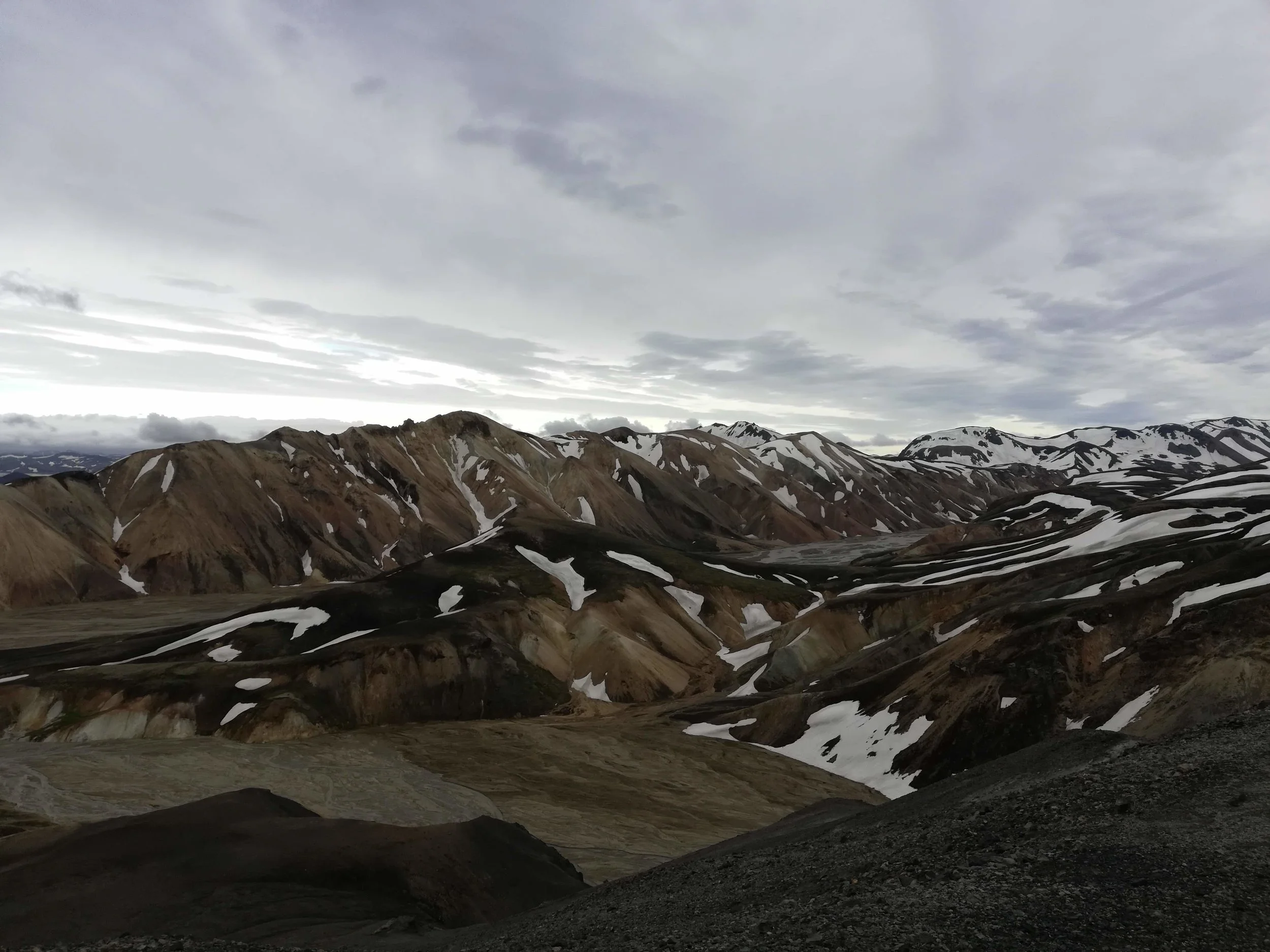
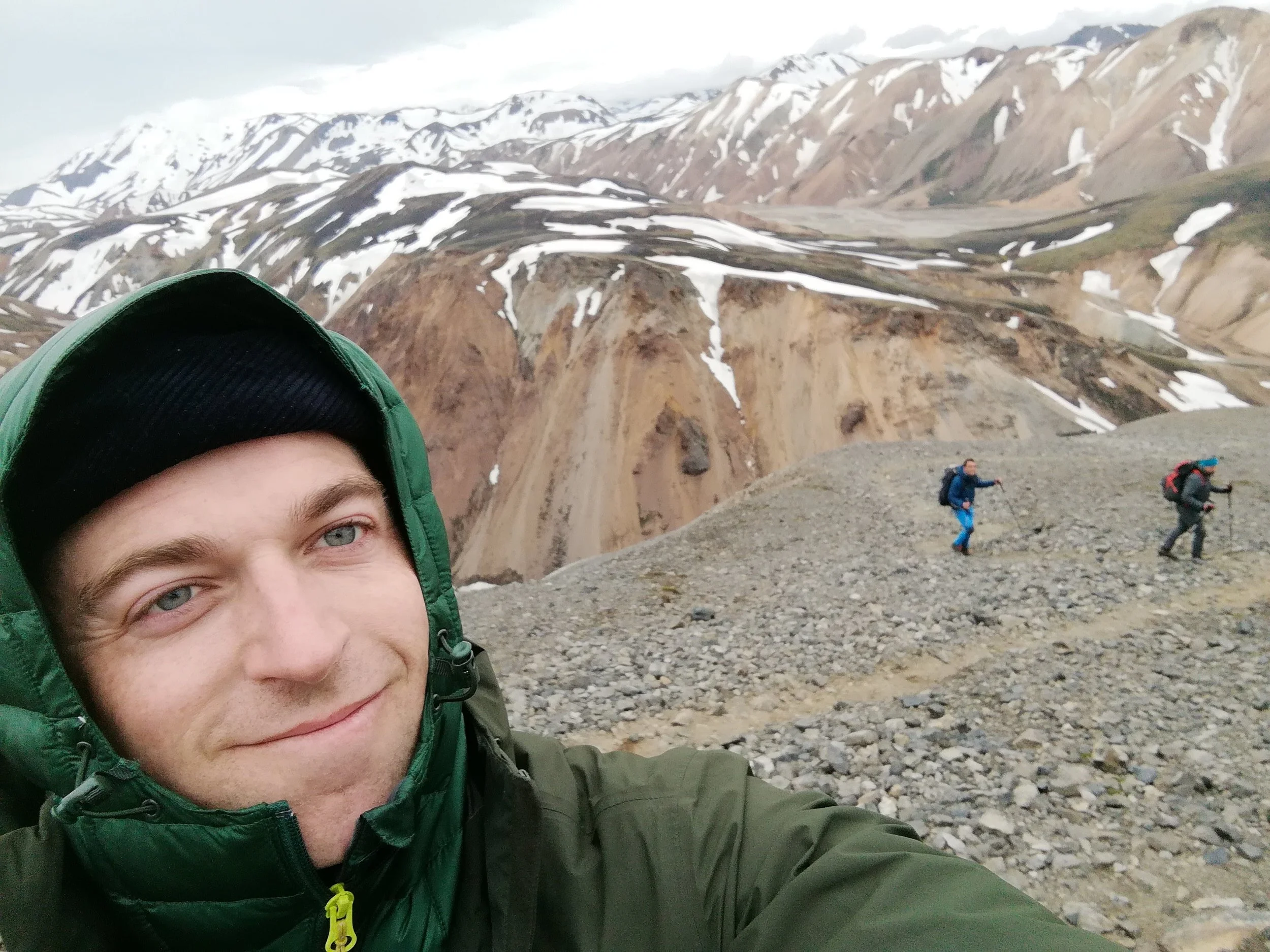
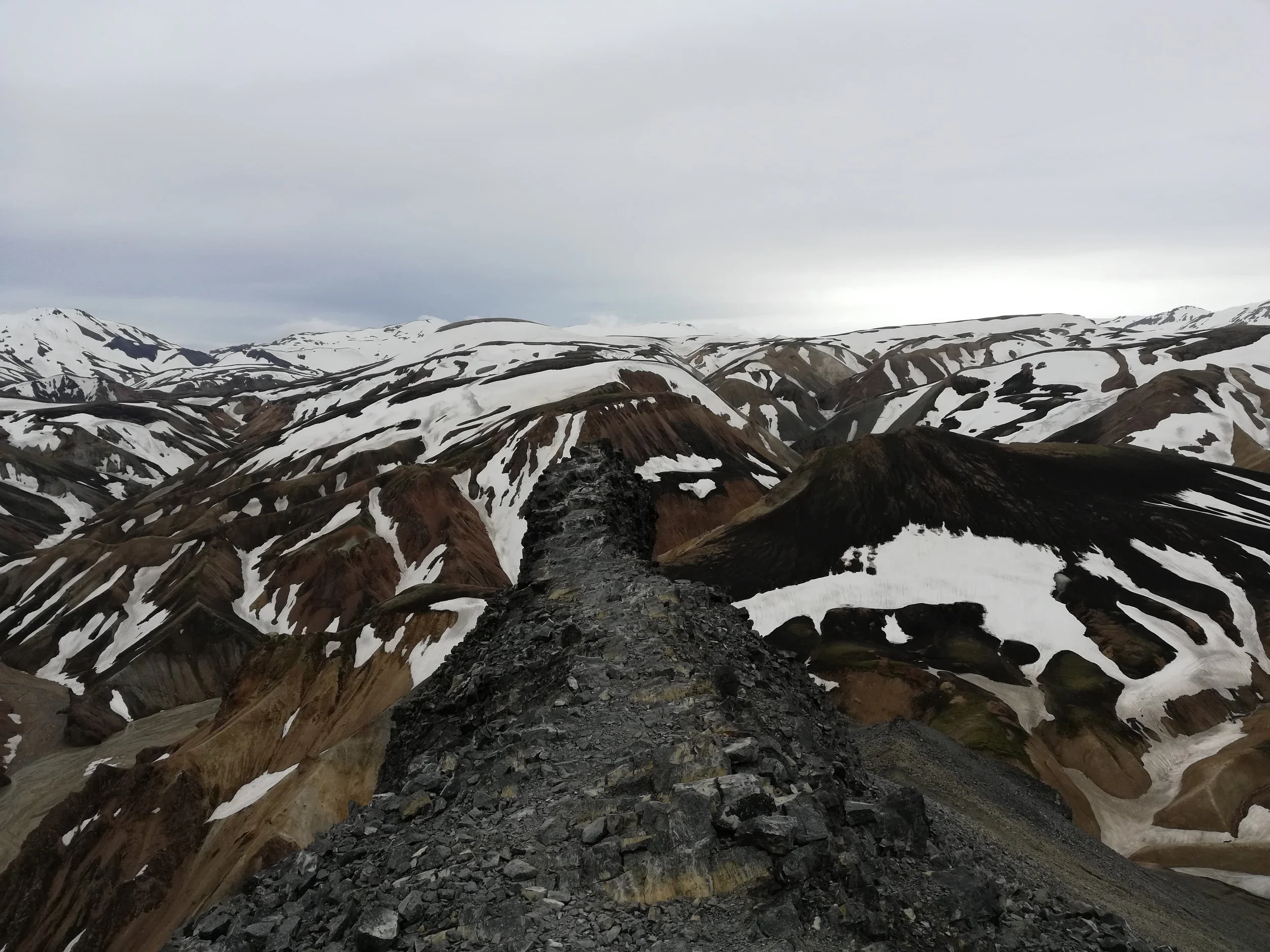
The wind was howling when we arrived at the first camp and you got a sense of the harshness of weather here. No surprises that this route is only open a couple of months of the year. So having hastily popped my tent up, I climbed up the hills sheltering the camp. I was impatient to see what lay beyond our place of refuge. Once I reached the rise, a sea of molten rock stood before me. I meandered among them and found a comfy nook and cranny to perch my bottom and admire the camp site and surrounding valleys. And praise Odin, what a view! Deep breaths, inner smiles. Time for selfie, I want to keep this moment.
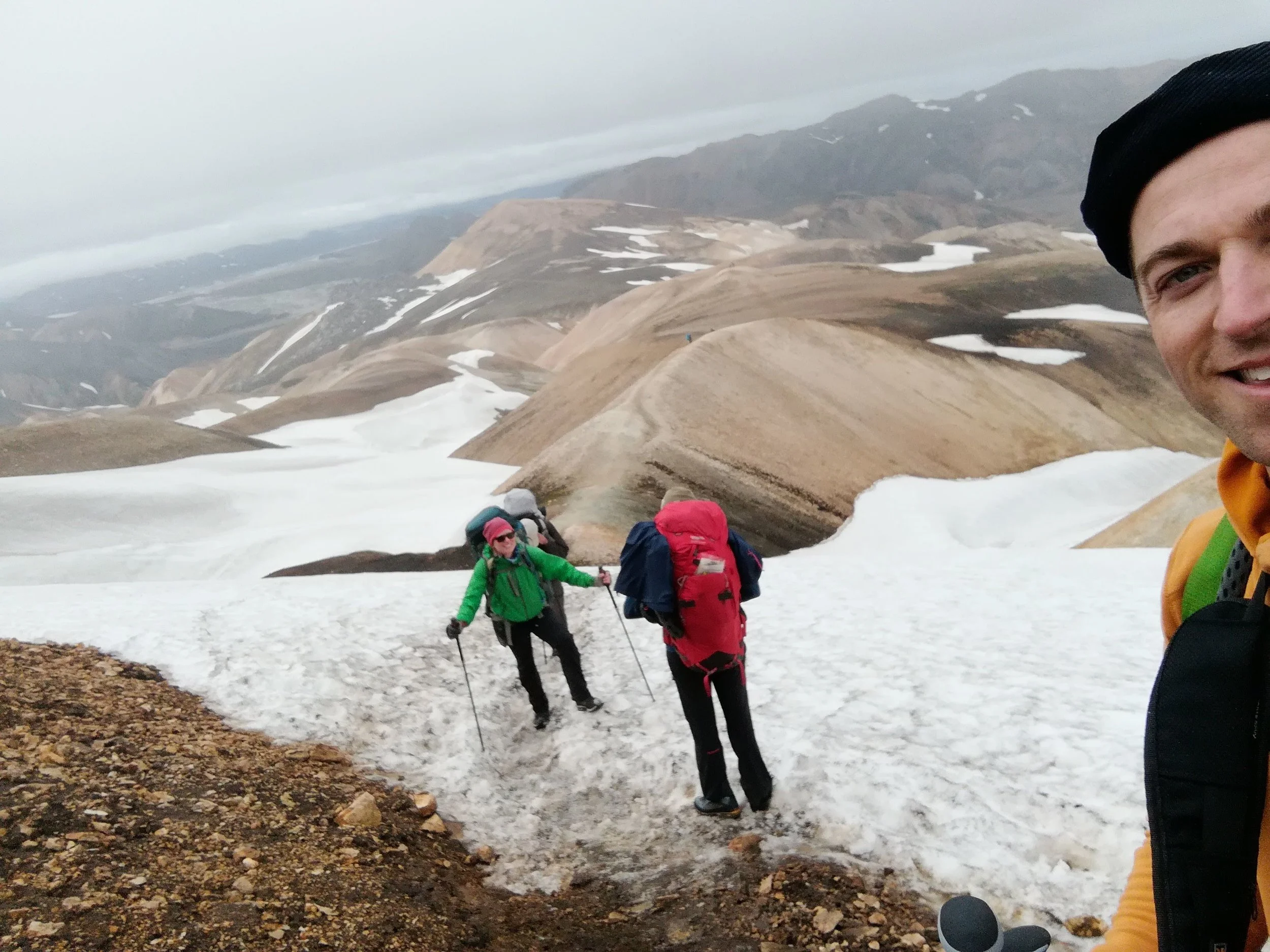
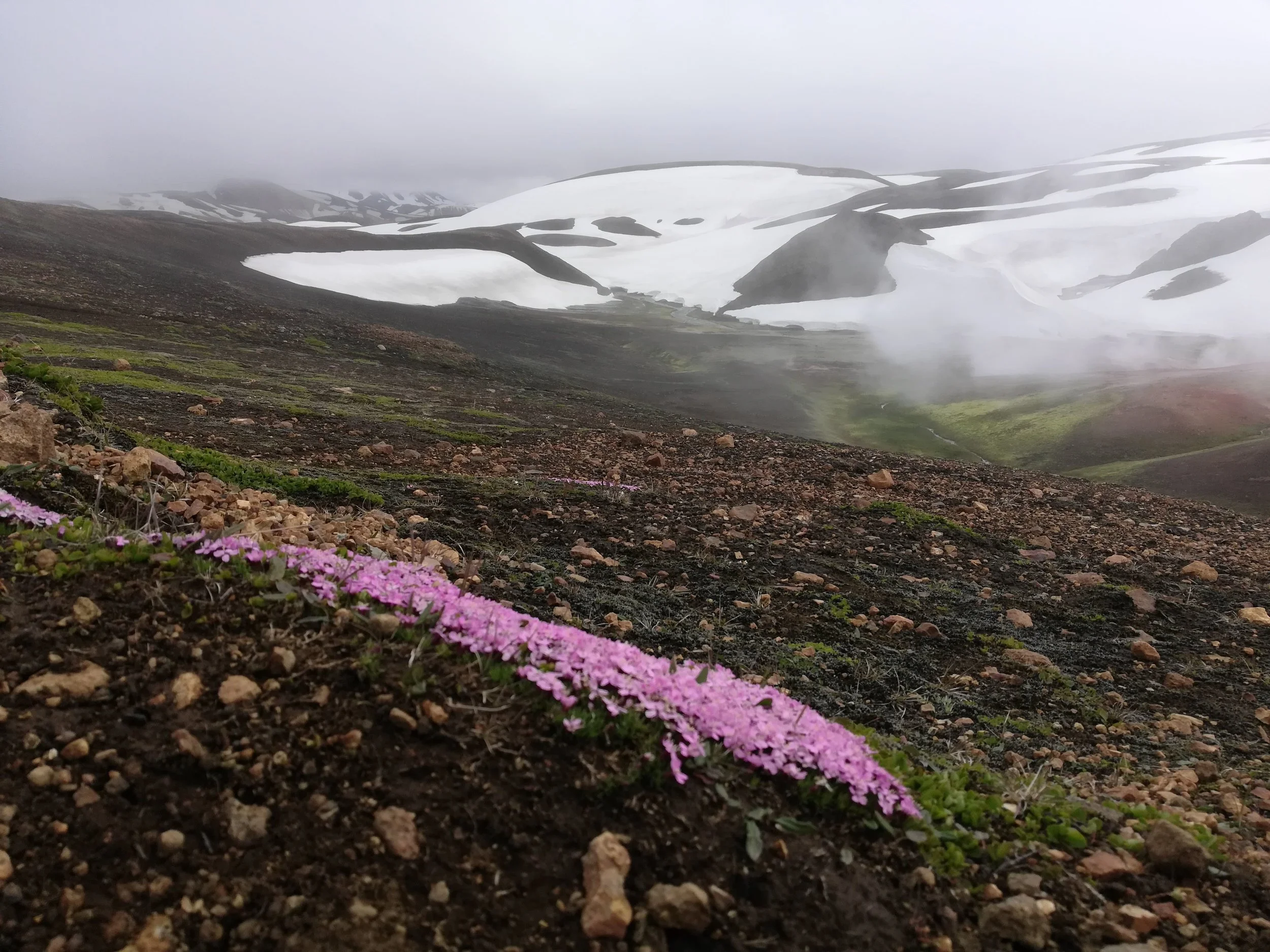
Shortly after I returned to camp my group and I set off on a day hike together. A circular route that would wet our appetite for the trek proper. This hike alone was an absolute cracker, giving us a glimpse of the rolling hills that have featured heavily in many a landscape photographer’s itinerary.
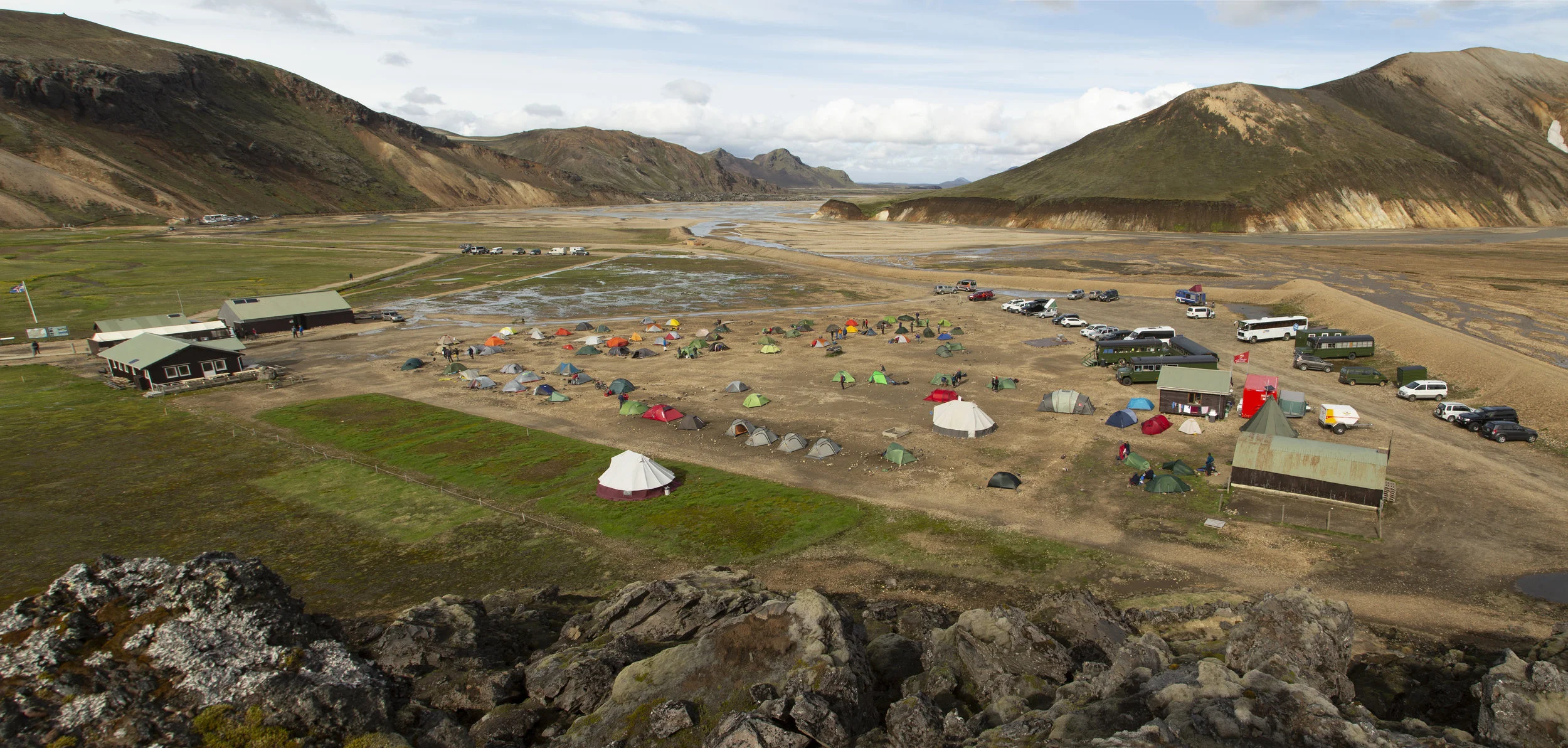
Landmannalaugar campsite
1st camp. If you don’t fancy the full trek, I’d definitely recommend a night here and go for a day hike. The area is the most volcanic and active along the route. There’s a idyllic little natural thermal spring here too, which I’d have to say was one of the highlights! Exceptionally way to start the day.
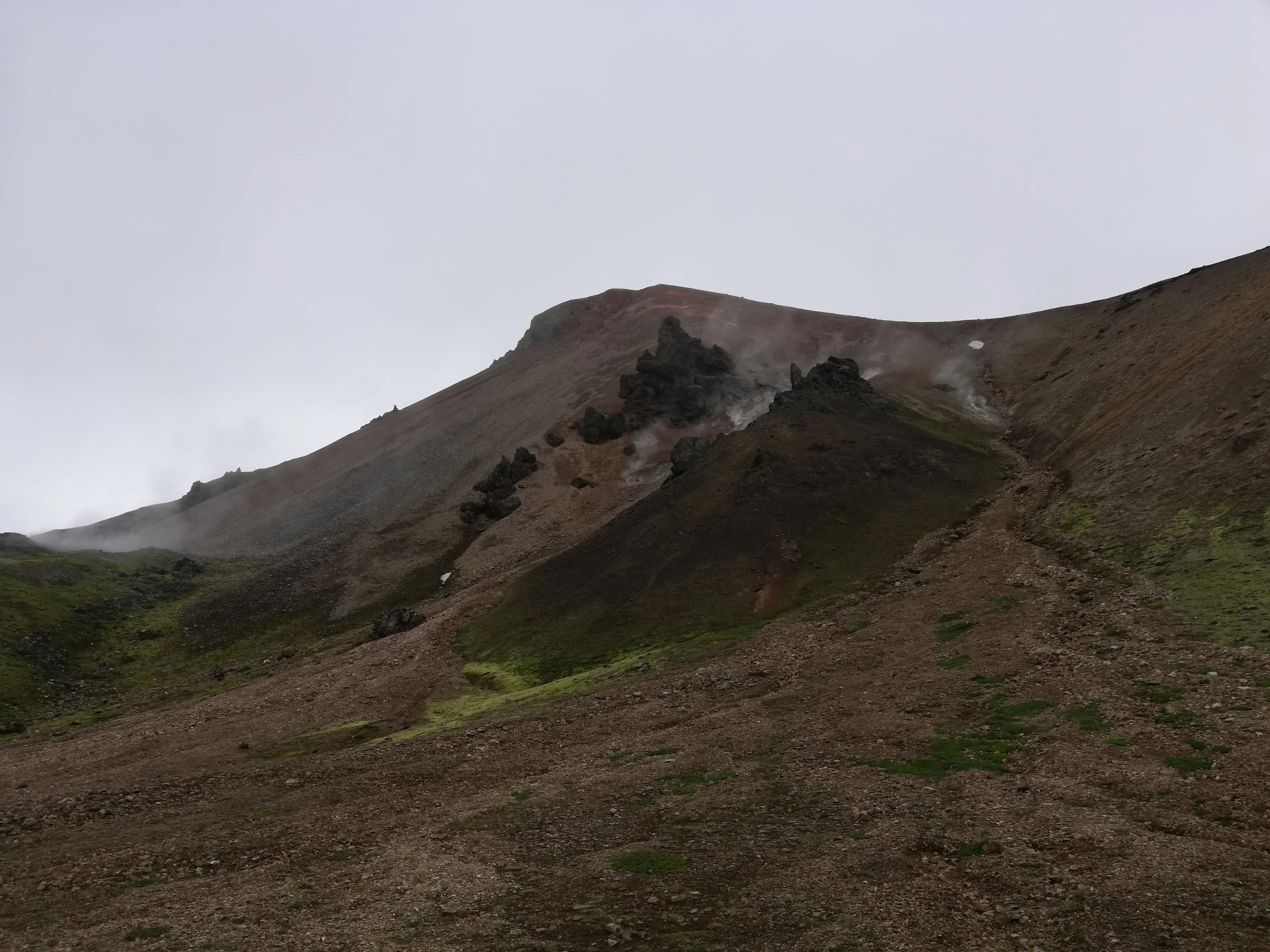
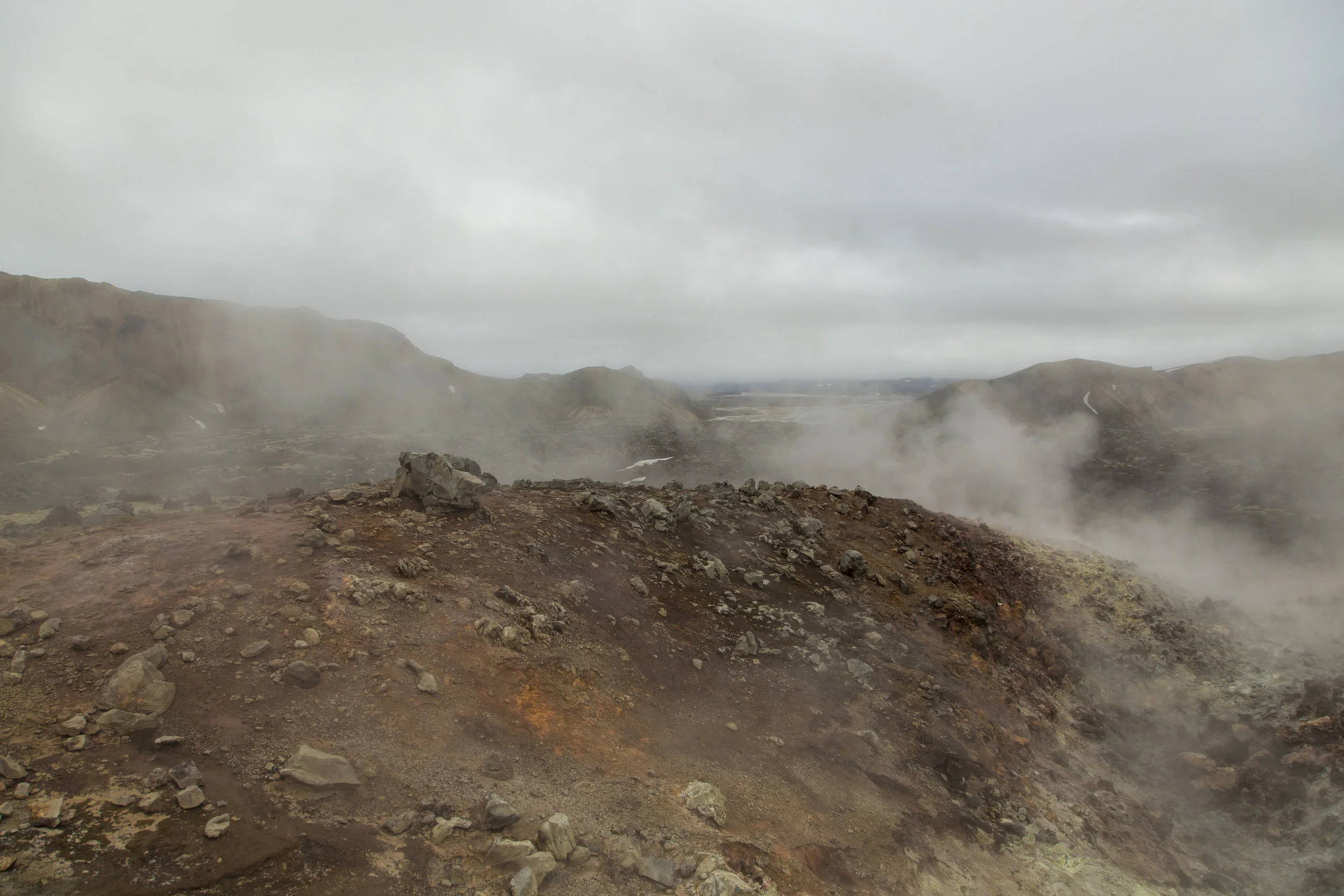
Universal Sulphur-age. DAY 1 of TREK
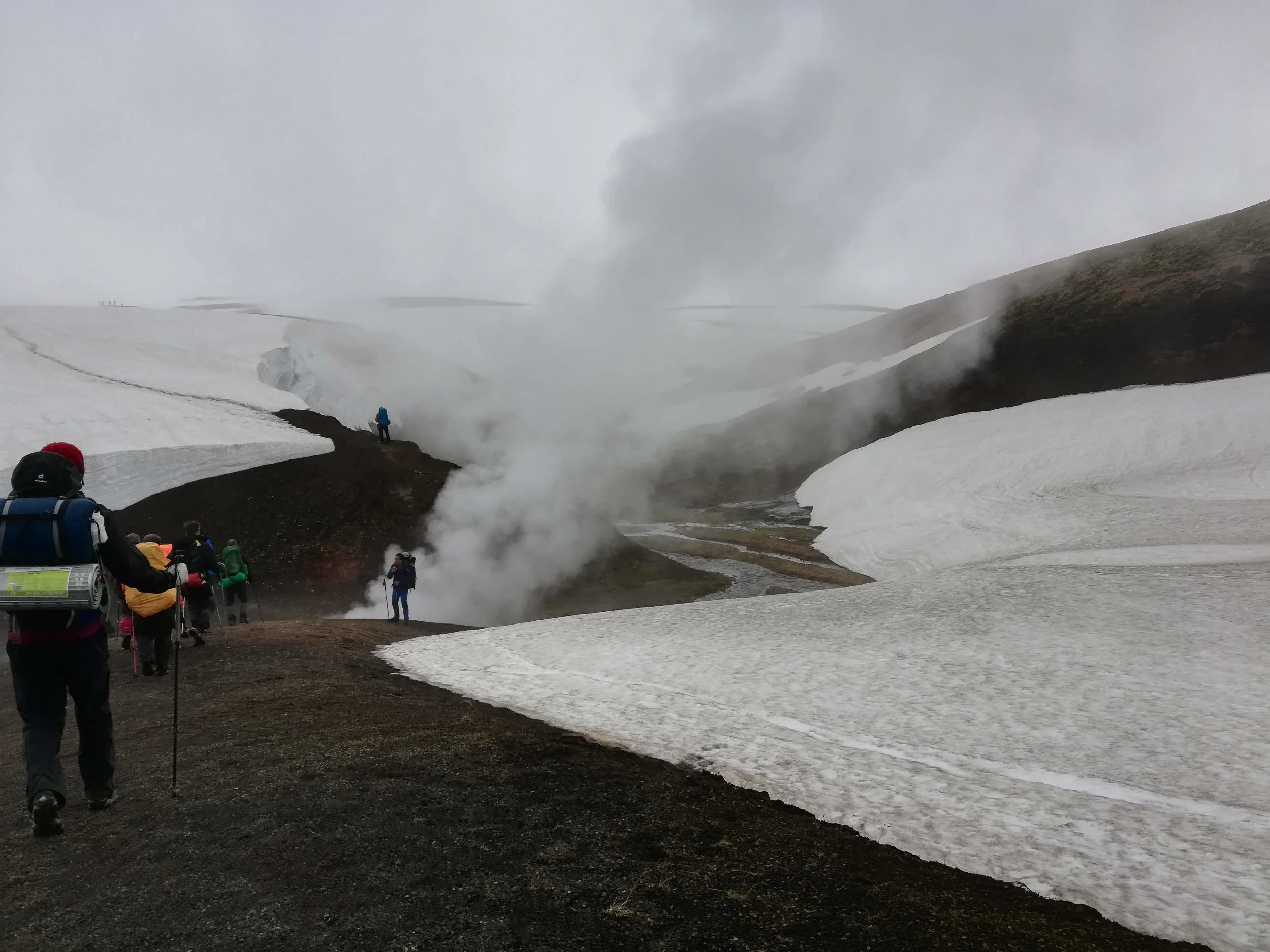
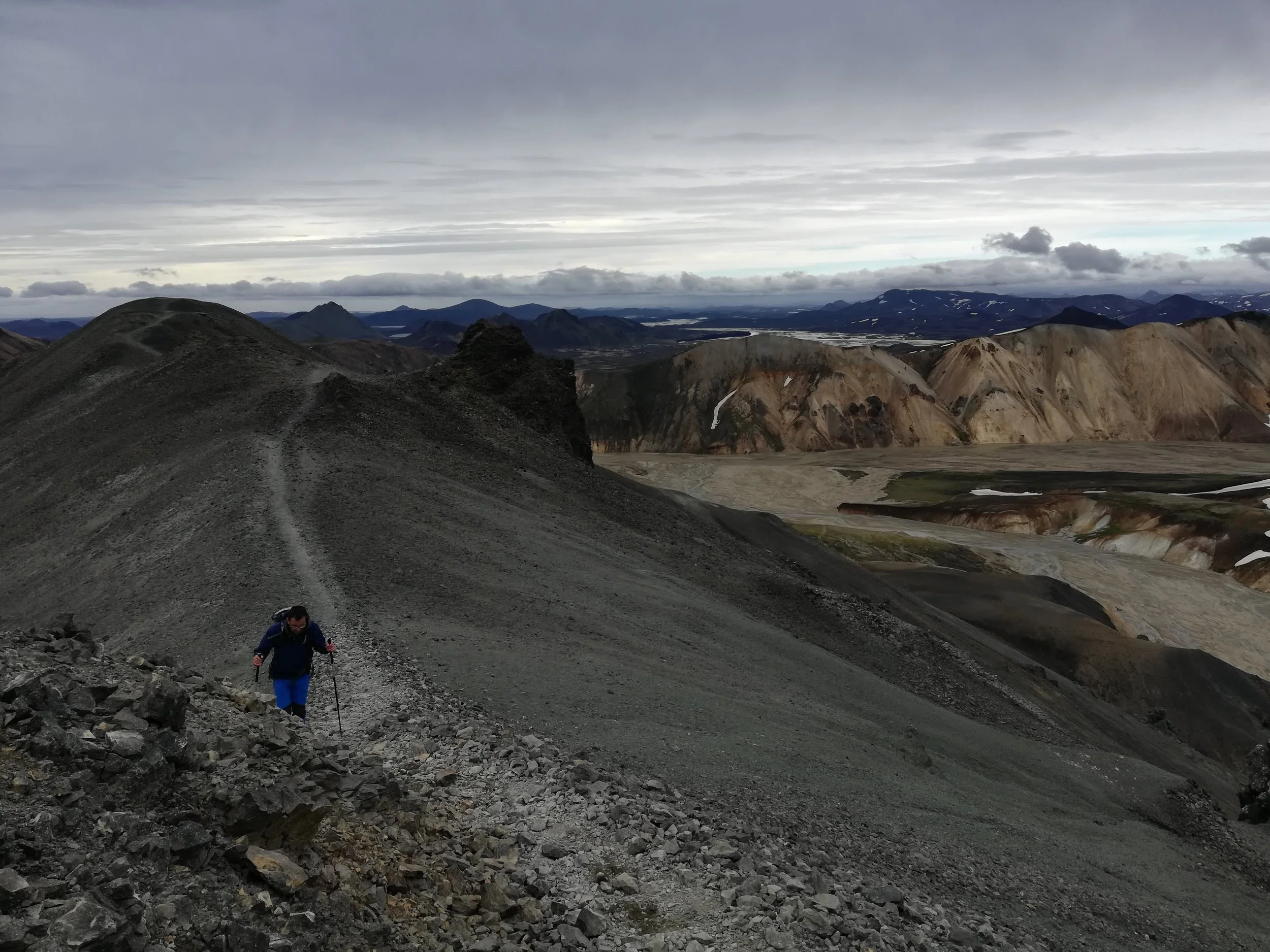
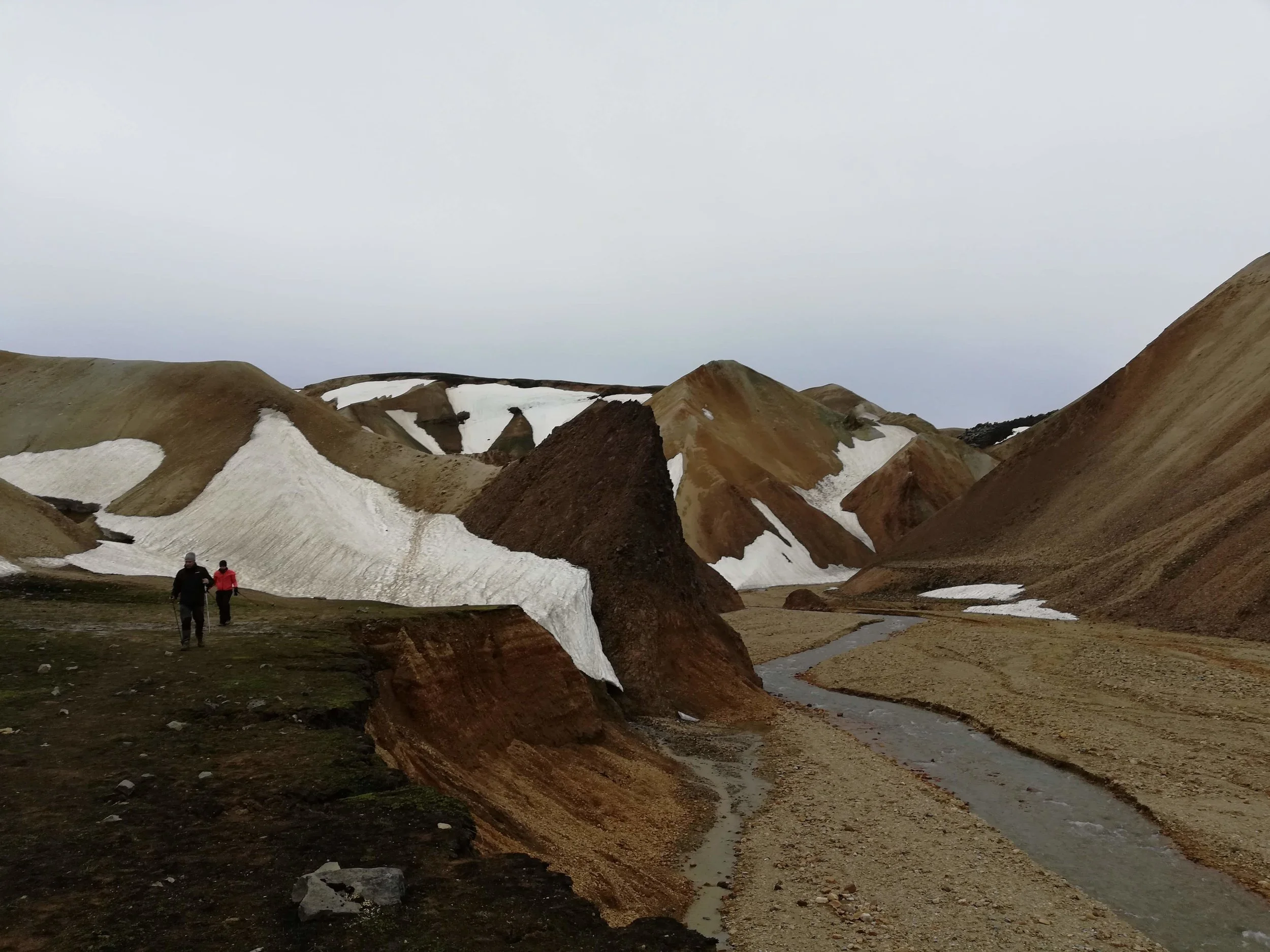
The first day is a rolling hills interspersed with Sulphur pools. Dare you to dip your toe in (this is a joke, do not attempt this).
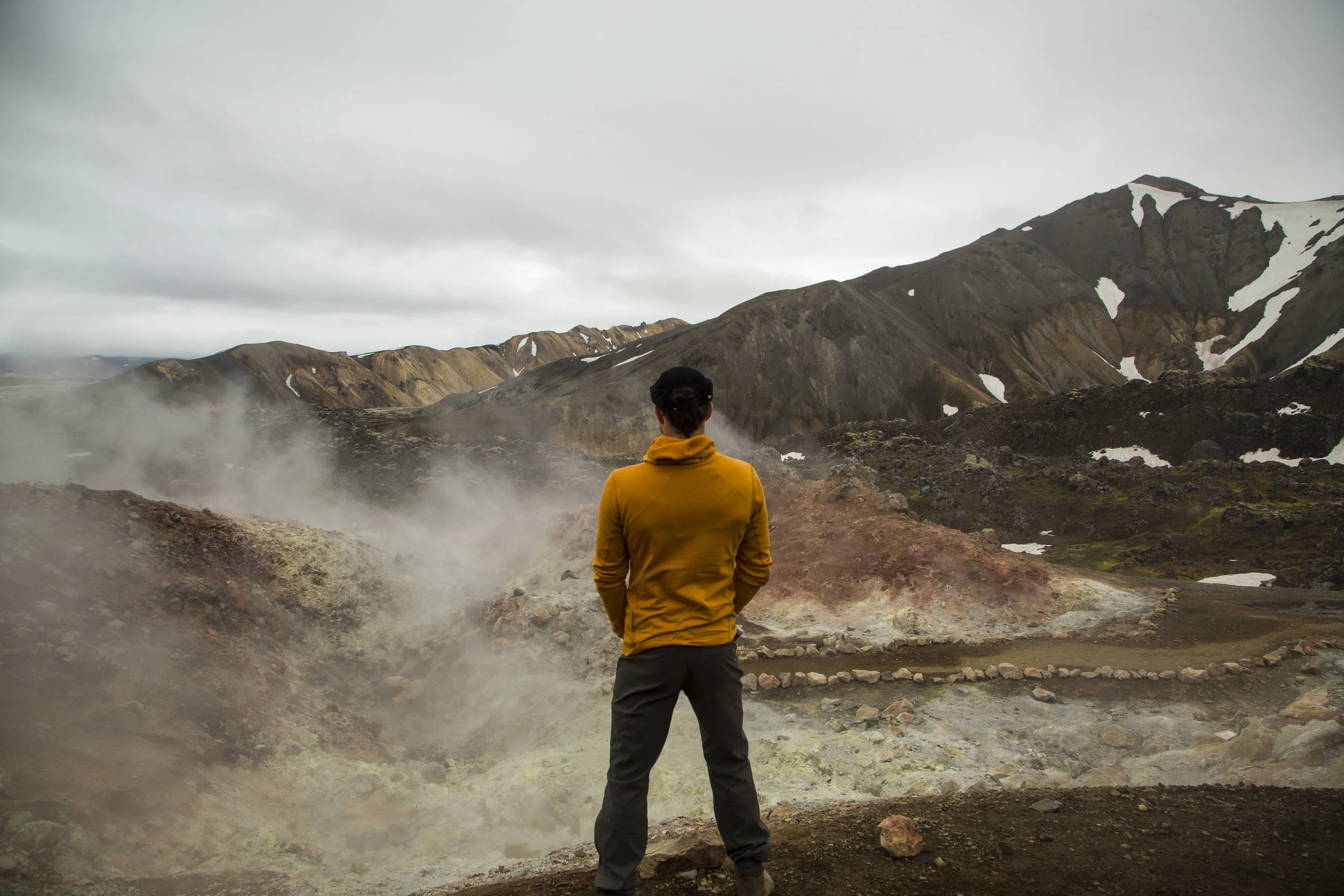
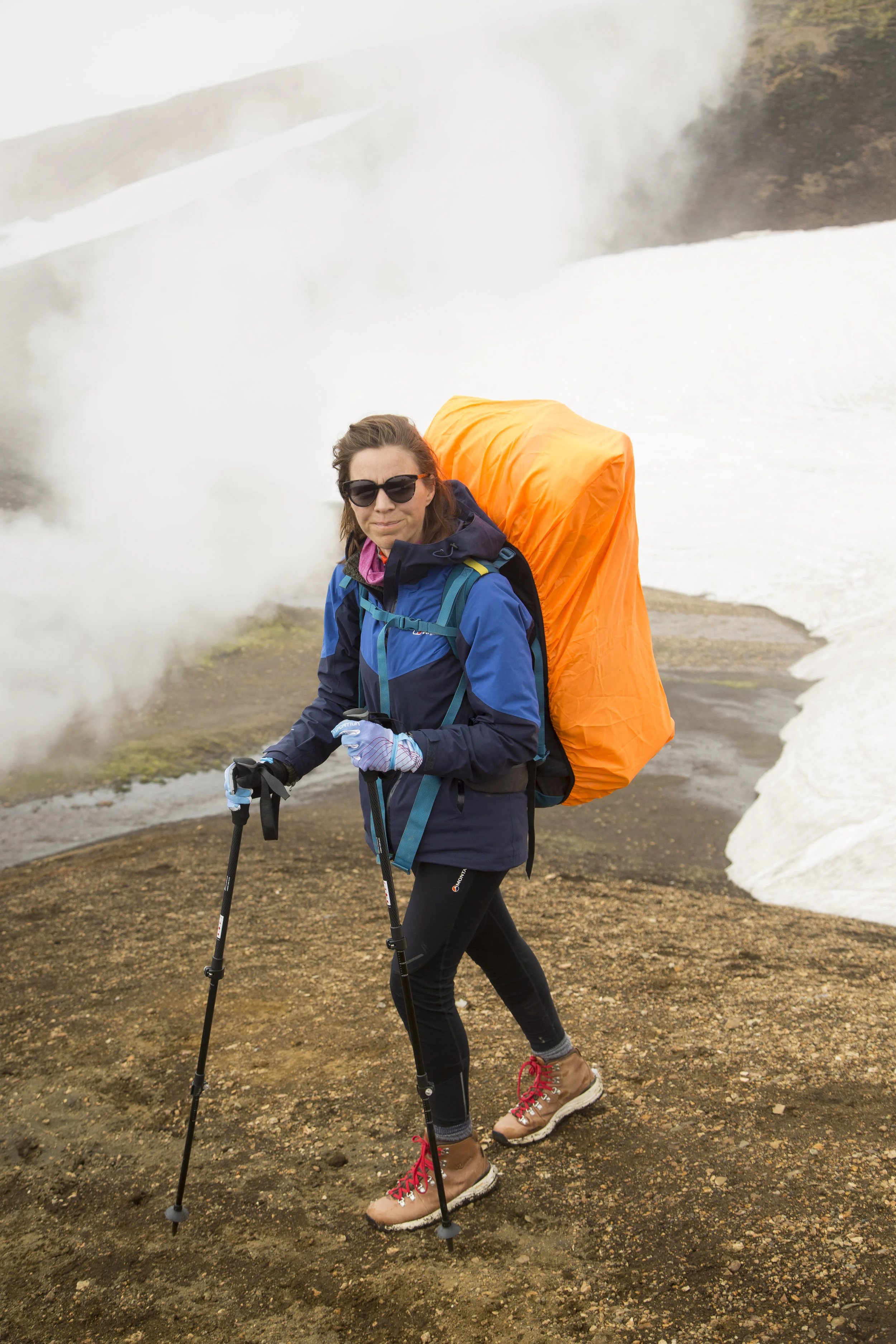
Ready for anything
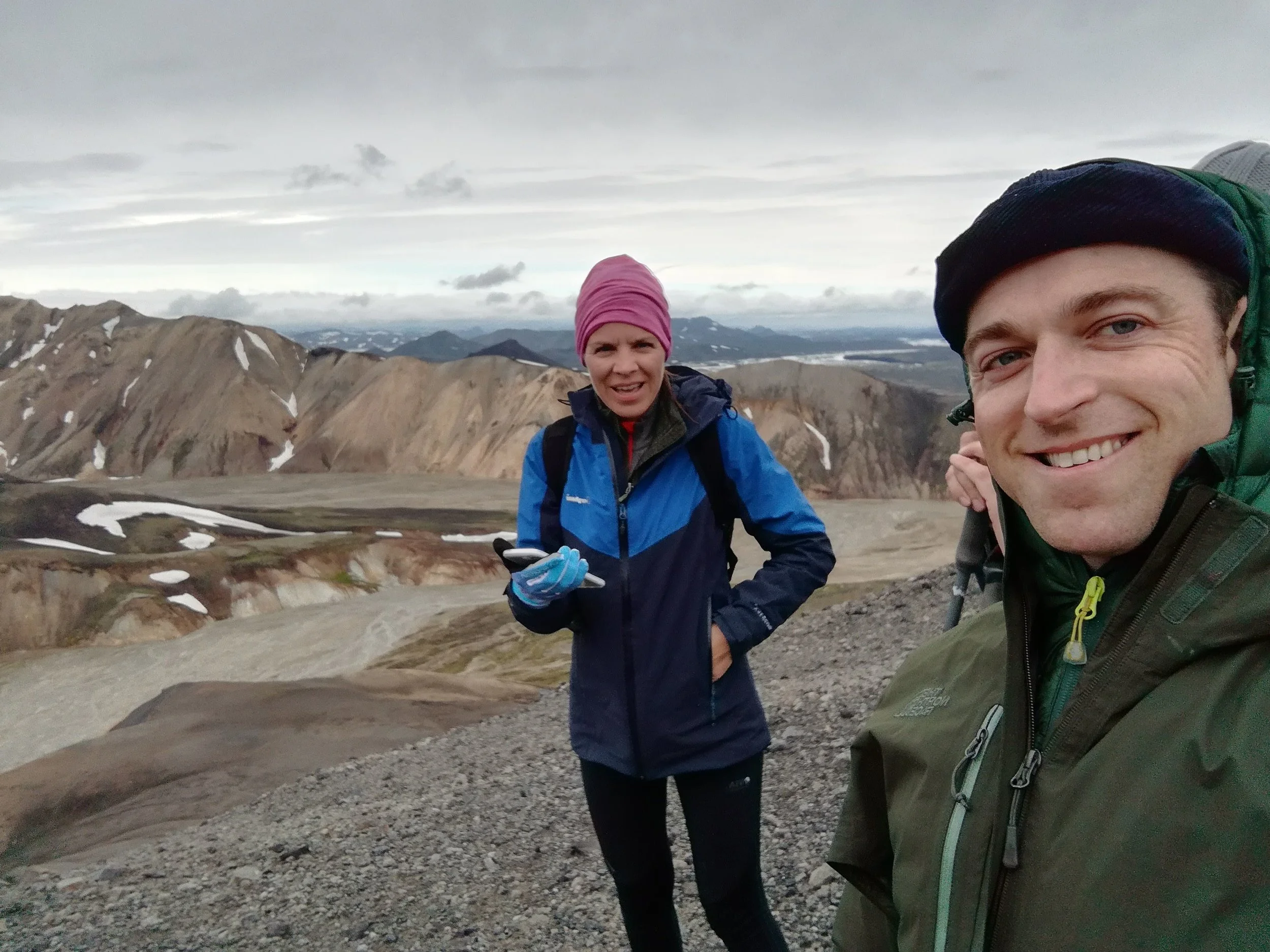
Karine strutting her stuff
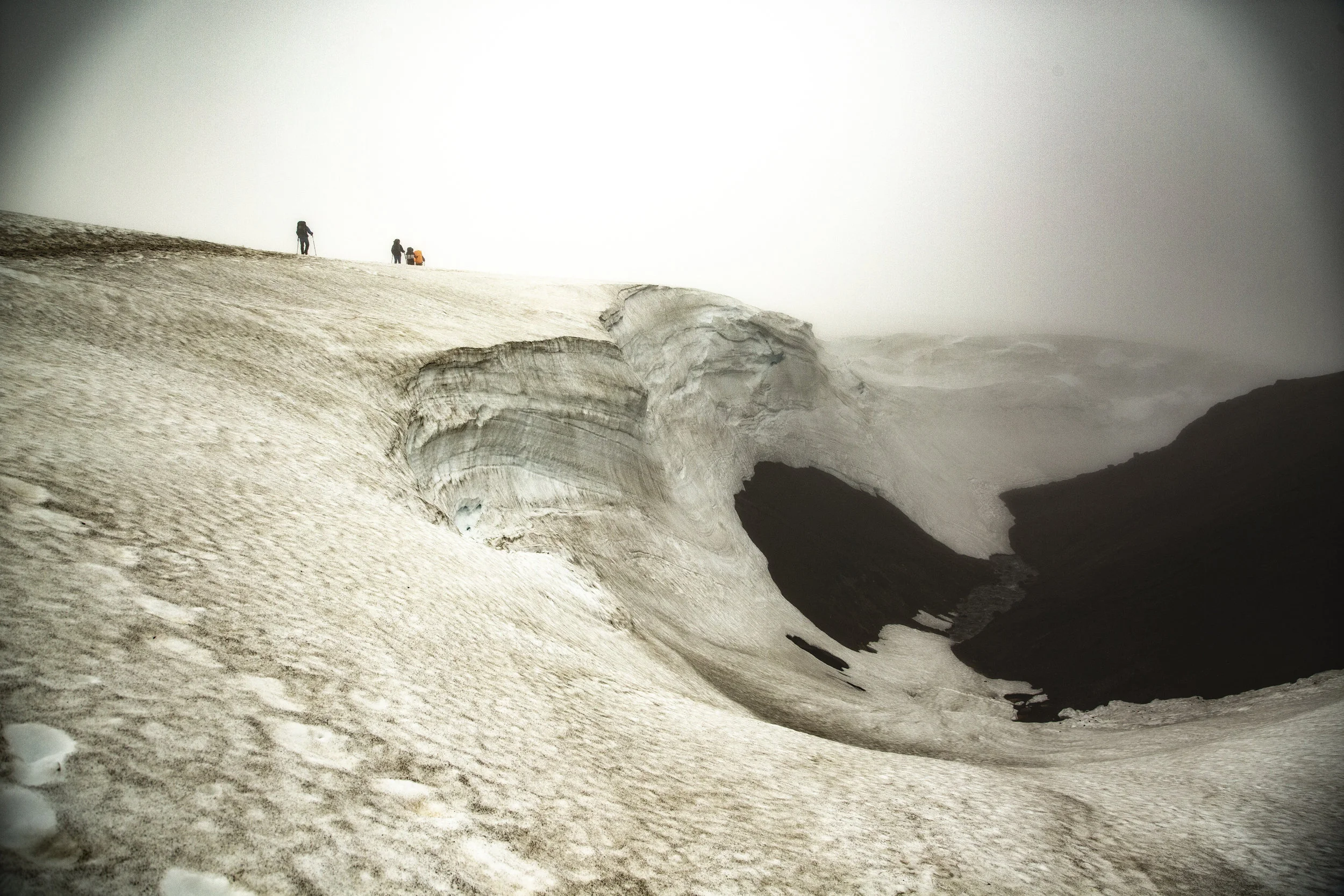
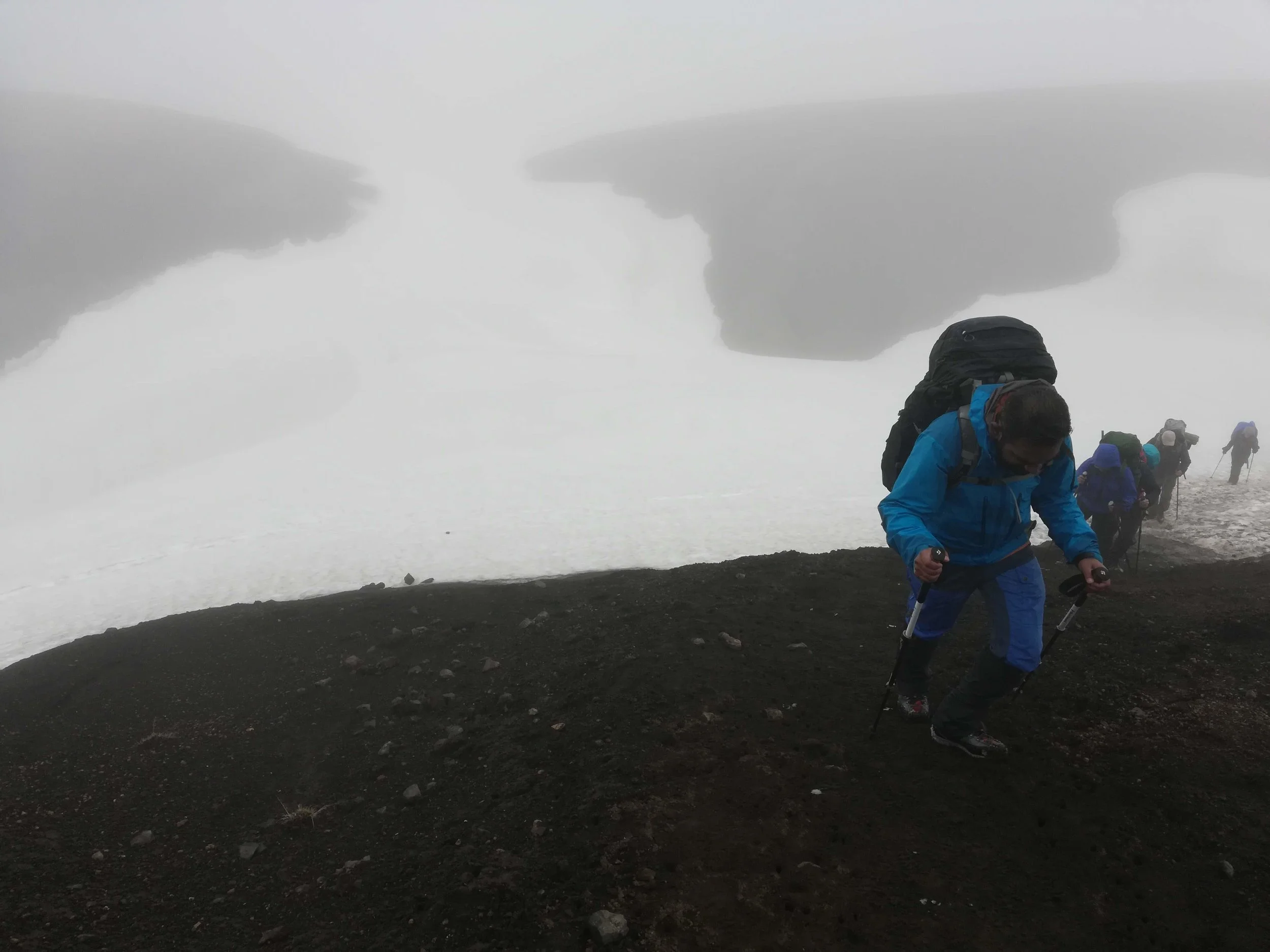
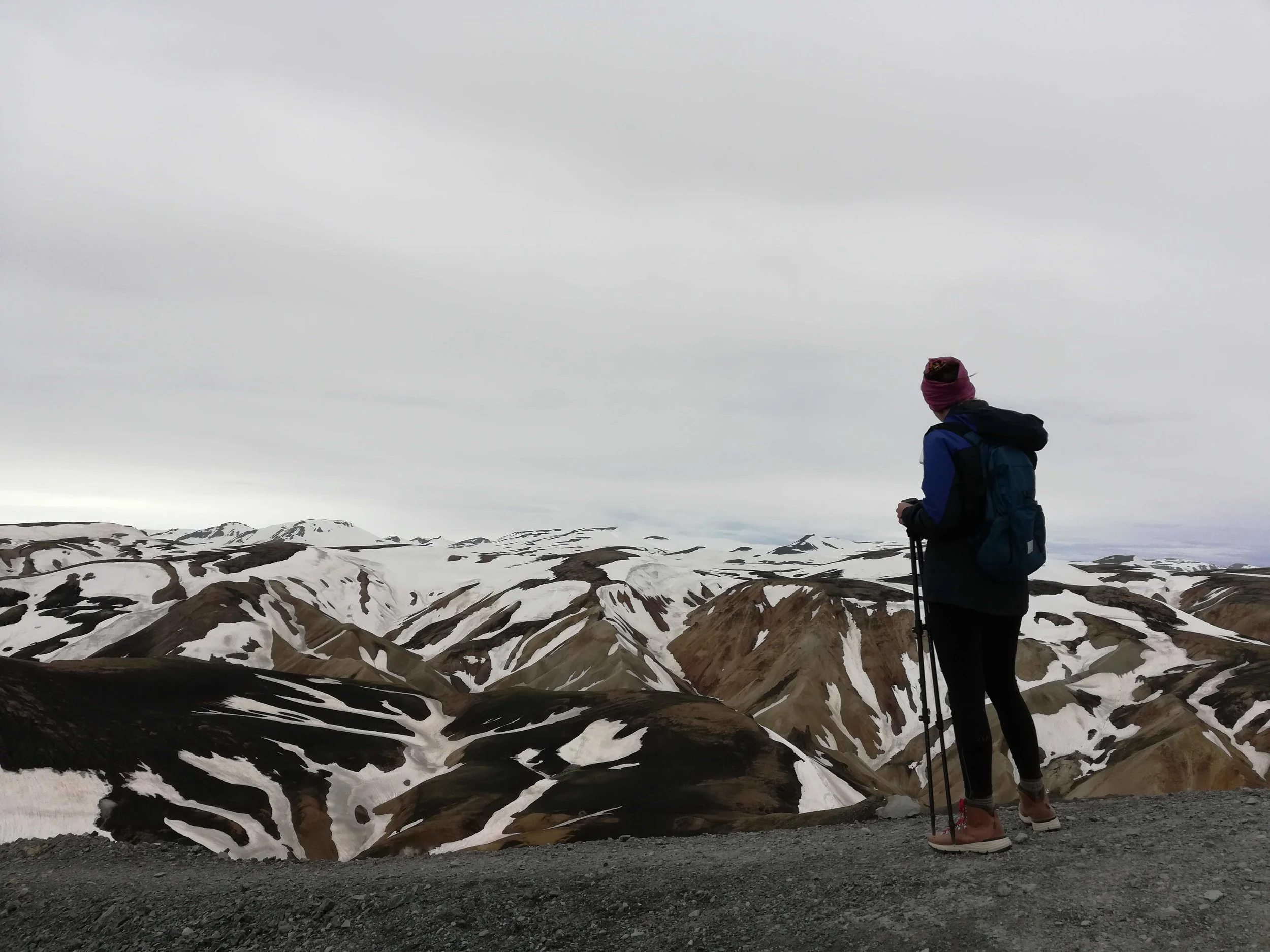
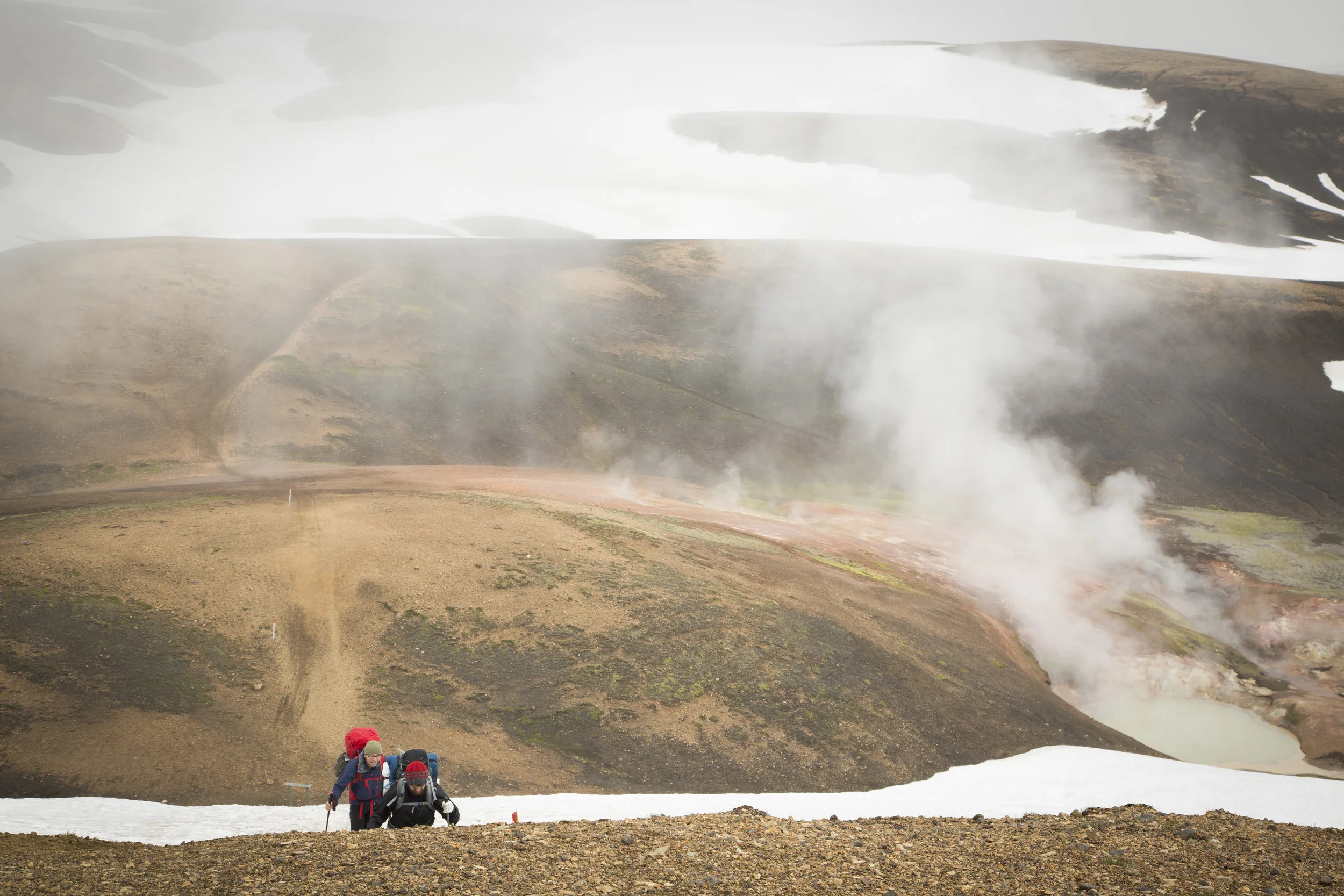
Be prepared for Winter conditions!
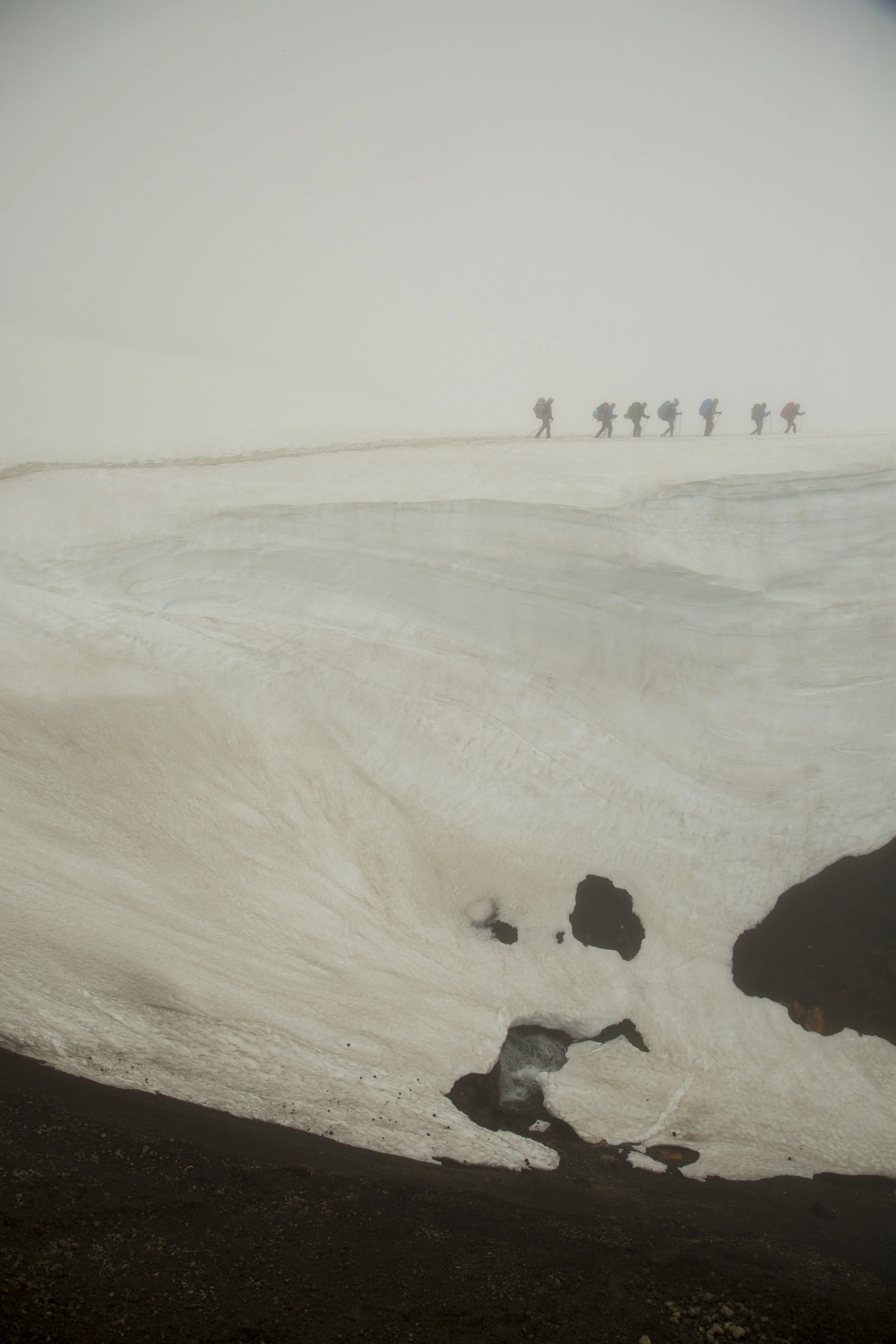
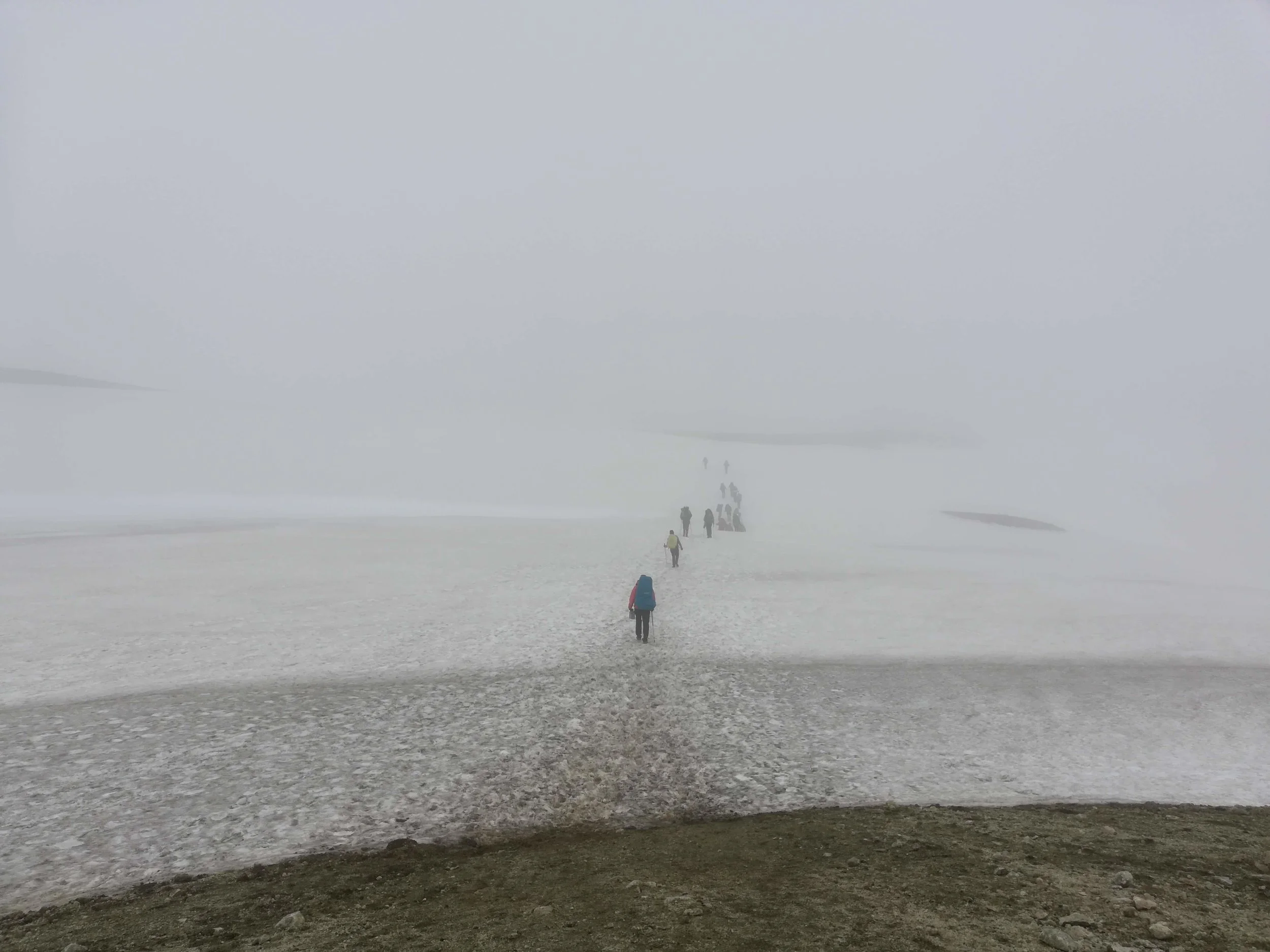
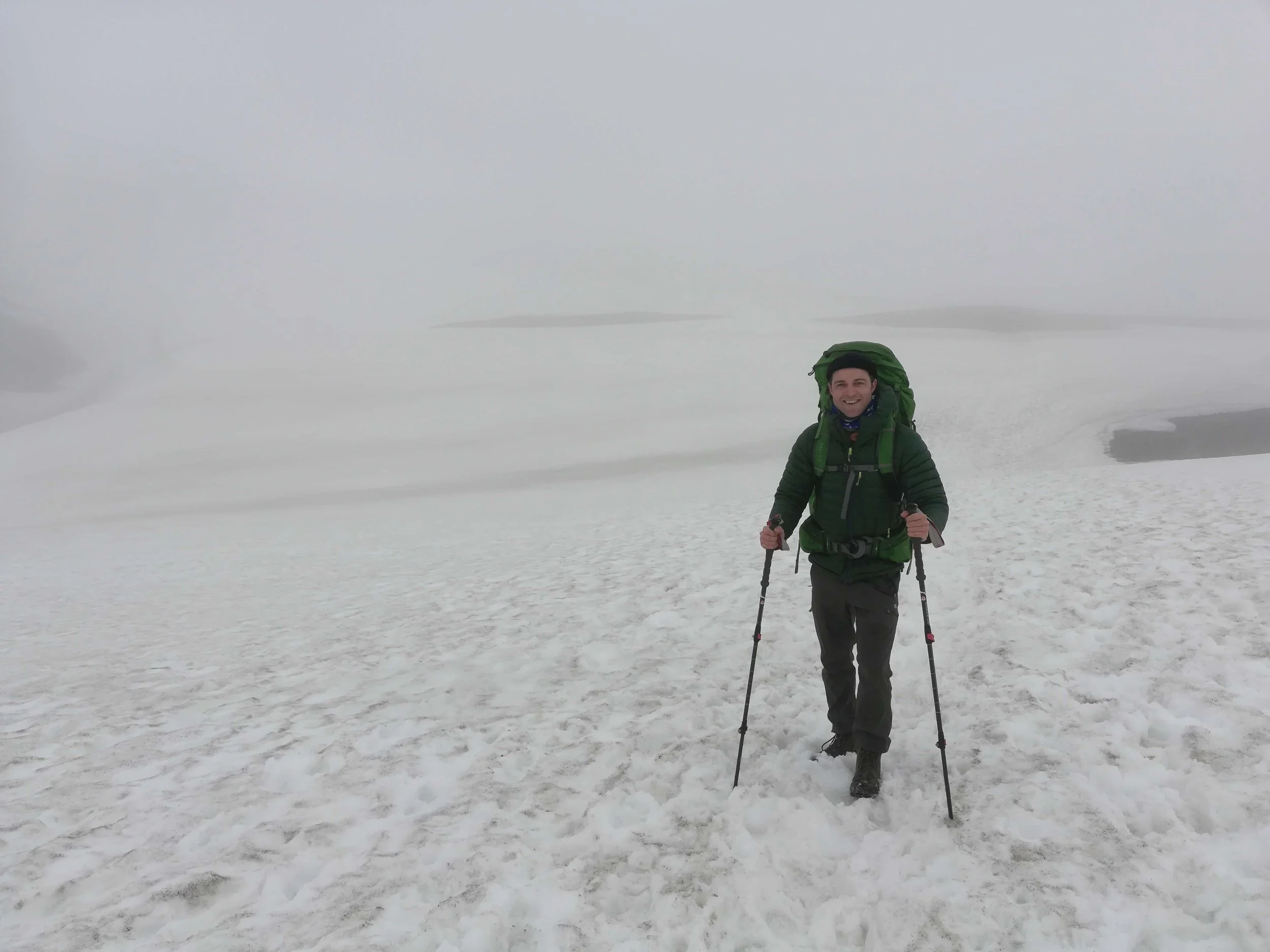
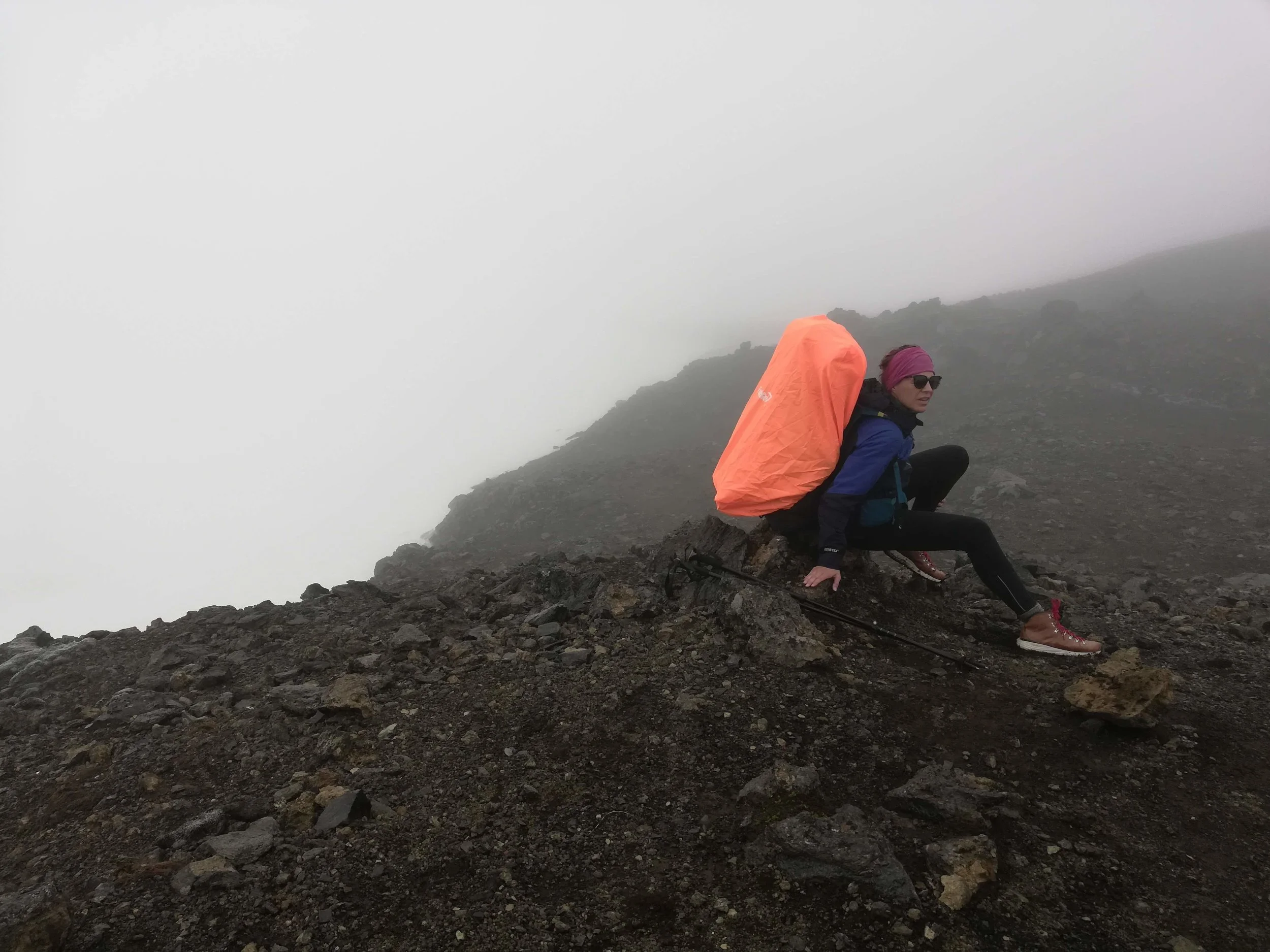
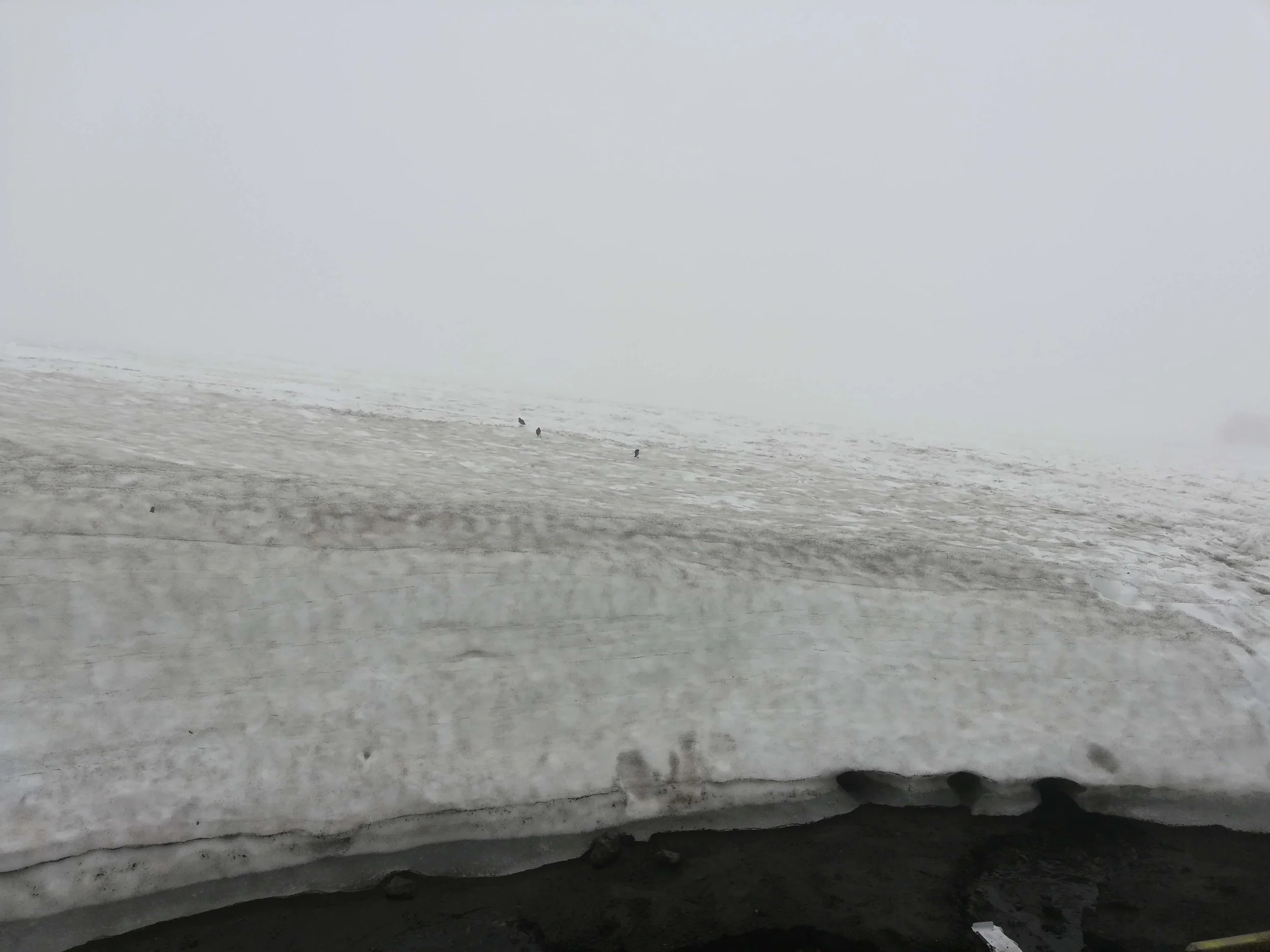
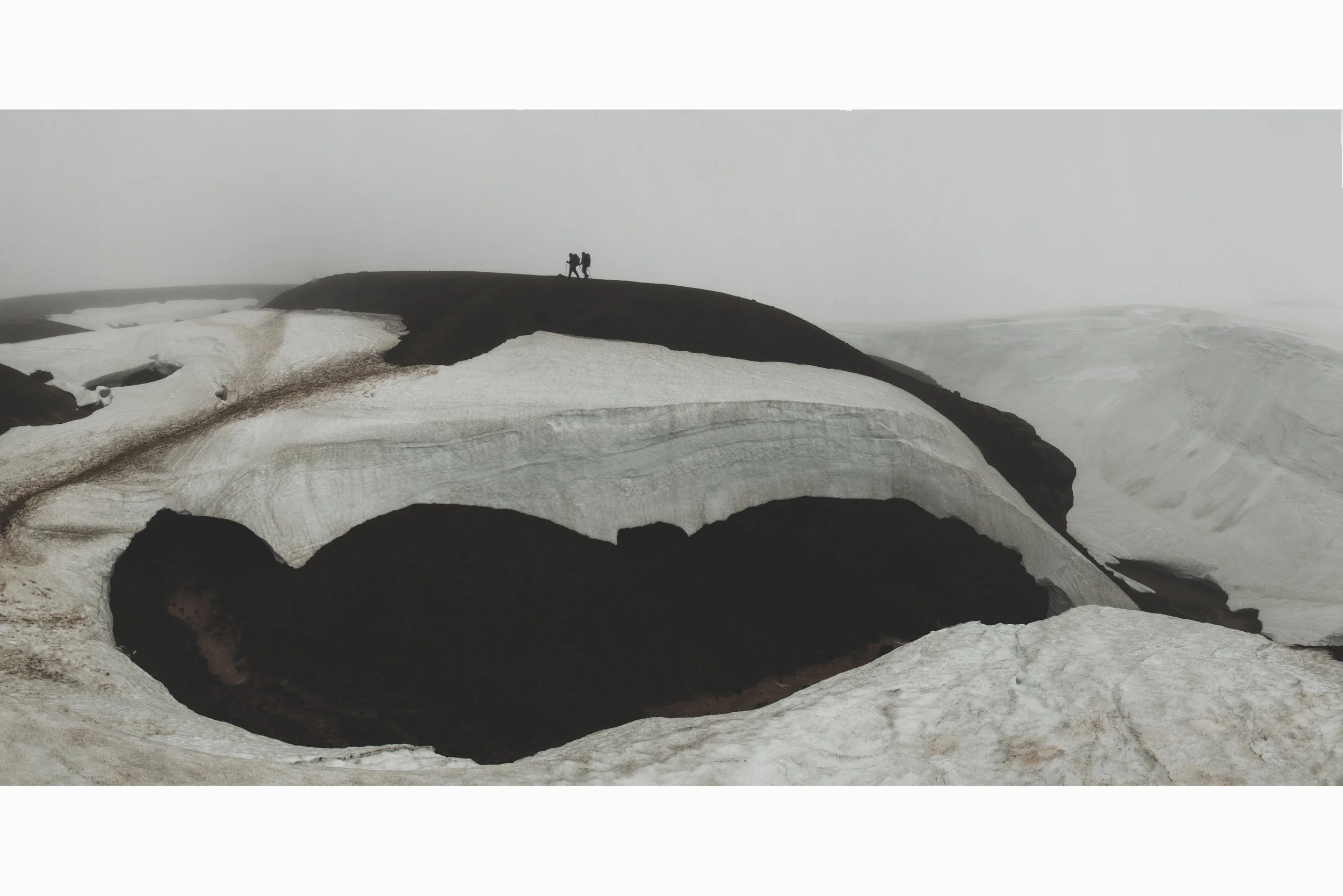
Being the coldest Summer in 100 years meant we covered two days trek in one in order to reach a slightly more comfortable climate at lower altitude to pitch our tents. About half a day after leaving first camp we reached the snow fields, temperatures plummeted and visibility was poor. Times like this you need to know the route, how to follow a map or have a guide!